Everyday Habits That Cause Weight Gain (And How to Break Them)

Alcohol Can Contribute to Weight Gain
Do you drink alcohol regularly? Do you find yourself having a few drinks every night?
Many people enjoy a drink after work or on the weekends, but drinking too often can make it easier to gain weight. Alcohol is high in calories but provides very little nutritional value. In addition, drinking can lower your inhibitions, making you more likely to overeat, order unhealthy foods, or snack late at night.
It's not just the alcohol itself that contributes to weight gain—it's the habits that often come with it. After a few drinks, many people are more likely to skip their workout, eat fast food, or consume much larger portions than they normally would.
Beer is commonly associated with a "beer belly," but the reality is that all types of alcohol contain calories. Cocktails, wine, liquor, and beer can all contribute to weight gain if consumed frequently and in large amounts.
You don't necessarily have to eliminate alcohol completely. However, limiting it to special occasions or enjoying it in moderation—such as once or twice a week—may make it easier to stay within your calorie goals.
Aging Can Make Weight Gain Easier
As you get older, maintaining a healthy weight often becomes more challenging. One reason is that people naturally lose muscle mass with age, and muscle helps your body burn more calories throughout the day.
Many adults also become less physically active as they get older. Combined with hormonal changes, this means the eating habits that worked in your 20s may no longer work in your 40s or 50s.
Your body doesn't recover as quickly as it once did, and burning off excess calories often requires more effort than it used to.
The good news is that staying active can make a significant difference. Regular strength training, walking, and other forms of exercise can help preserve muscle mass, improve metabolism, and support a healthy weight well into older adulthood.
I've met many older adults who remain incredibly fit and healthy because they consistently exercise and take care of themselves. Age may make weight management more challenging, but it doesn't make it impossible.
Late-Night Eating
Do you find yourself reaching for snacks late at night?
Many people eat dinner, watch television for a few hours, and then find themselves back in the kitchen looking for something else to eat—even when they aren't truly hungry.
Experts often recommend finishing your last meal two to three hours before going to bed. This gives your body time to digest comfortably before you sleep.
Eating late at night doesn't automatically cause weight gain. However, late-night snacking often leads to consuming extra calories that weren't part of your original meal plan. Over time, those additional calories can contribute to gradual weight gain.
Late-night eating can also become a habit. Once your body expects a snack every night, cravings become more frequent and harder to ignore.
If late-night eating is affecting your progress, try creating an evening routine that doesn't revolve around food. Going to bed earlier, drinking water or herbal tea, brushing your teeth after dinner, or keeping tempting snacks out of the house can all help reduce unnecessary nighttime eating.
Eating Out Too Often
Spending time with friends and family is important, but eating out several times a week can make it much harder to maintain a healthy weight.
Restaurant meals are often larger than necessary and may contain more butter, oil, sugar, and salt than home-cooked meals. Even meals that appear healthy can contain far more calories than expected.
Social situations can also encourage overeating. You may feel tempted to order appetizers, desserts, sugary drinks, or simply finish everything on your plate because everyone else is eating.
Preparing meals at home usually gives you much greater control over portion sizes, ingredients, and cooking methods. Even then, it's still important to be mindful of ingredients such as cooking oil, sauces, butter, and dressings, since they can quickly increase the calorie content of a meal.
Going out with friends doesn't mean you have to give up your health goals. Many people successfully balance both by planning ahead. They choose restaurants with healthier options, order smaller portions, share meals, or skip high-calorie appetizers and desserts.
Your social life doesn't have to derail your progress. The key is making intentional choices. What you order, how much you eat, and how often you dine out all play an important role in maintaining a healthy weight.
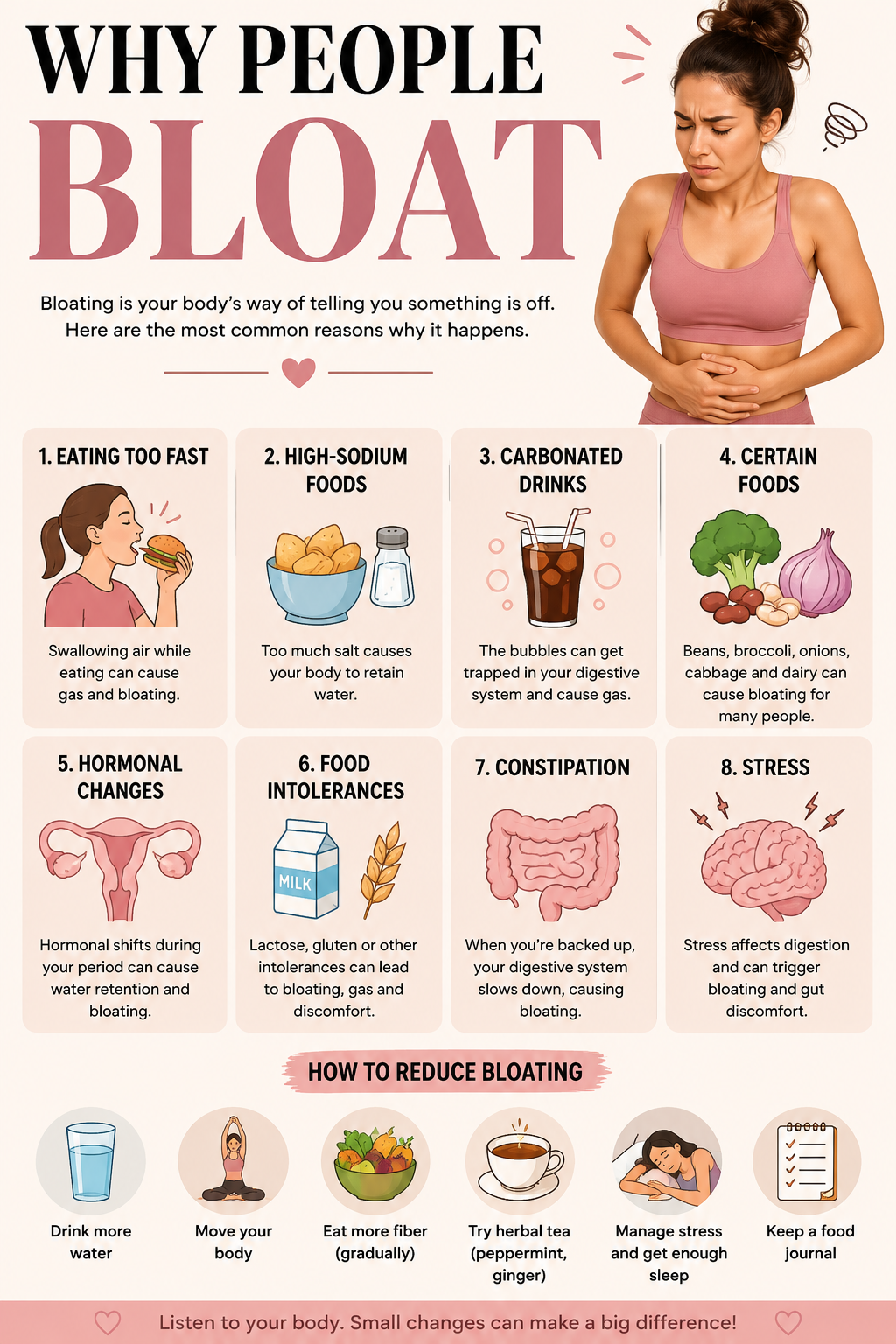
Maybe It's Not Fat — It Could Be Bloating
Before assuming you've gained fat, consider whether you're simply bloated.
Bloating can make your stomach appear larger overnight, but actual fat gain takes time. A salty meal, alcohol, carbonated drinks, hormonal changes, constipation, or food sensitivities can all cause temporary stomach distension.
If your stomach is flatter in the morning and larger by evening, bloating may be the culprit. However, if your waistline continues increasing over weeks and months, excess body fat is more likely the reason.
The good news is that both bloating and weight gain can often be improved through better eating habits, regular exercise, adequate sleep, and consistent lifestyle choices.
You're Eating Too Much Junk Food
If you're regularly eating fast food, chips, candy, desserts, sugary drinks, and other highly processed foods, it can be much harder to maintain a healthy weight.
Junk food is often high in calories but low in protein and fiber, making it less filling than whole, nutrient-dense foods. As a result, you may end up eating more before you feel satisfied.
Portion size also matters. Even healthy, home-cooked meals can contribute to weight gain if the portions are too large. Calories from cooking oil, butter, creamy sauces, cheese, and salad dressings can add up quickly without you realizing it.
Weight gain isn't just about eating unhealthy foods—it's also about eating more calories than your body needs. Whether those calories come from junk food or home-cooked meals, consistently overeating can lead to gradual weight gain over time.
If your goal is to lose weight, focus on eating balanced meals, watching your portion sizes, and choosing nutrient-dense foods most of the time. Small changes made consistently can make a big difference over the long term.
If you're new to calorie tracking, check out my Beginner's Guide to Counting Calories, where I explain how to calculate your calorie needs, track your intake, and create a calorie deficit for sustainable weight loss.
If you're wondering what foods can support your weight-loss journey, check out "What to Eat to Lose Weight: What Worked and Didn't Work." In that article, I share the foods that helped me lose weight, the ones that didn't work for me, and the lessons I learned along the way.
