Siem Reap Travel Guide: Angkor Wat, Tips & Weather
Siem Reap is a beautiful city that's home to many famous historical and cultural sites, including Angkor Wat, Banteay Srei, and Ta Prohm.
Planning a trip to Cambodia can feel overwhelming, but the right trip planner can make it easy. HaienaPlan helps you stay organized by keeping your itinerary, packing list, travel budget, accommodations, flights, daily activities, vision boards, travel journal, and trip notes all in one place. Plan with confidence and enjoy a stress-free adventure at HaienaPlan.com. 🇰🇭✈️
The Weather
I have visited Siem Reap in March (hot and sunny), May (hot with occasional showers), and June (frequent rain). Each month offers a different experience because they fall during Cambodia's dry and rainy seasons. Every season has its own charm, from clear blue skies and golden sunsets during the dry season to lush green landscapes and fewer crowds after the rains begin.
If you don't mind the heat, March is an excellent time to visit because you'll have plenty of sunshine for exploring the temples. However, I do want to give you a heads-up—it was unbelievably hot during my March visit. Although it wasn't very humid, the intense sun made walking around the temples physically exhausting.
Personally, I think May is the best time to visit. There are occasional rain showers that help cool the air, and the humidity isn't as overwhelming as it is later in the rainy season. The weather is still warm, so most visitors wear short sleeves, although some people choose lightweight long sleeves to protect themselves from the strong sun.
In June, despite it being the rainy season, it was both hot and humid. The humidity made it feel much warmer, and it wasn't uncommon to see people with sweat rolling down their faces as they explored the temples. Fortunately, the rain usually comes in short bursts rather than lasting all day.
No matter which season you visit, be prepared to do a lot of walking. The temple complexes are enormous, and you'll spend hours outdoors with very little shade or air conditioning. I highly recommend wearing lightweight clothing, comfortable walking shoes, sunscreen, a hat, and bringing plenty of water to stay hydrated throughout the day.
Despite the heat and long walks, it's all worth it. Standing in front of temples that have survived for centuries is an unforgettable experience and offers a glimpse into Cambodia's remarkable history and architecture.
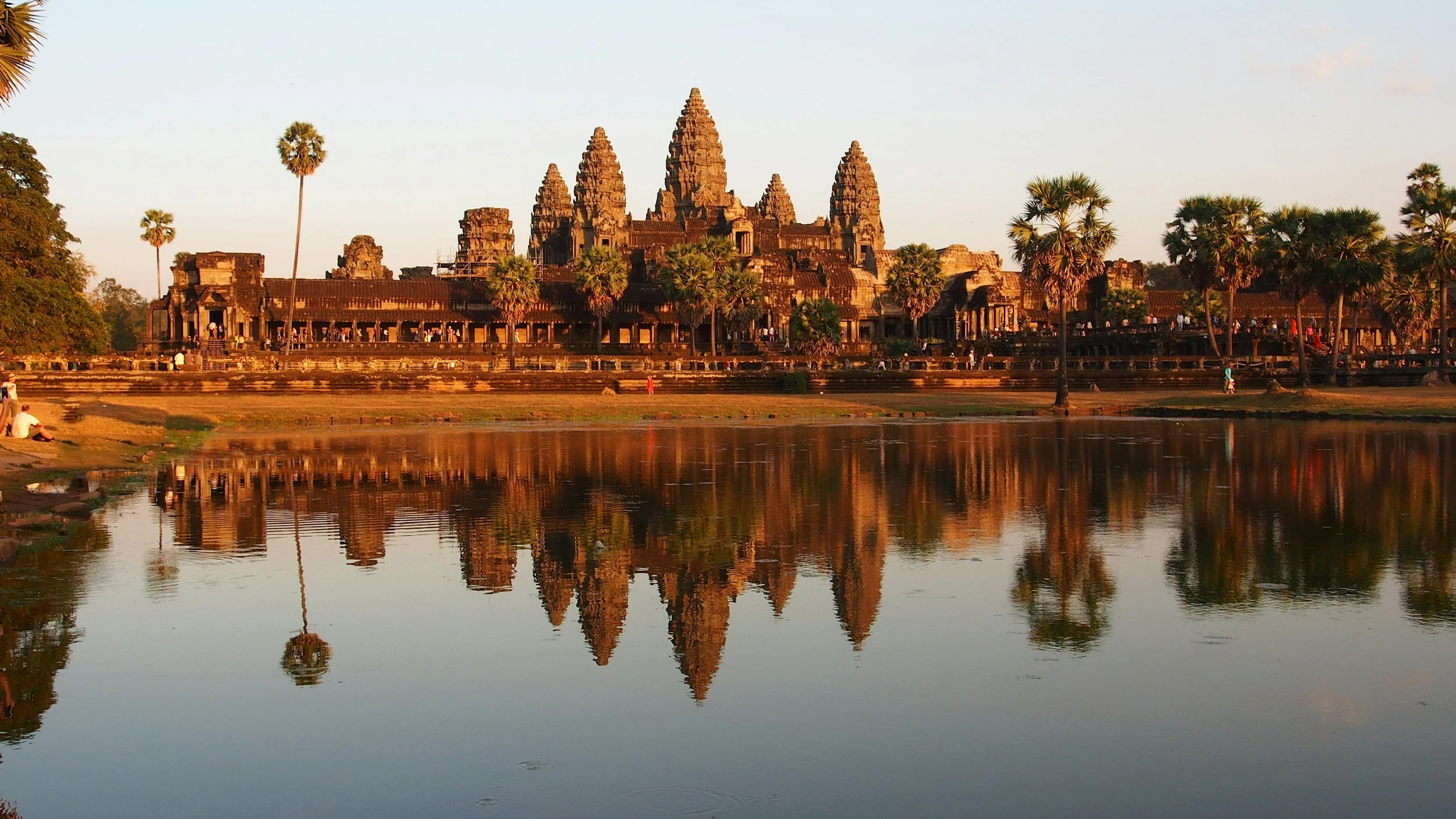
Angkor Wat
If you're a Cambodian citizen, you can visit Angkor Archaeological Park free of charge. If you're a foreign visitor, you'll need to purchase an admission pass before entering the temples. You can buy your pass online through Angkor Enterprise or at the official ticket office on Street 60, just outside the city center. Some of my family members had trouble purchasing their tickets online, so buying them in person and ahead of time can be a convenient alternative.
Current ticket prices:
1-Day Pass: $37 USD
3-Day Pass: $62 USD (valid for 10 days from the date of issue)
7-Day Pass: $72 USD (valid for one month from the date of issue)
The Sunrise
Angkor Wat is especially breathtaking at sunrise. To catch it, you'll need to wake up around 5:00 a.m. so you can arrive before dawn. Depending on the time of year, the sun typically rises between 5:30 a.m. and 6:30 a.m. The temple gates open at 5:00 a.m., and it's recommended that you arrive as early as possible—even in the dark—to secure a good viewing spot.
Watching the first rays of sunlight illuminate the ancient temple is a beautiful experience. I've visited Angkor Wat many times before, but this was my first time waking up early enough to see the sunrise. You're definitely not alone—hundreds of people gather in the darkness, patiently waiting for that unforgettable moment when the sky begins to glow behind the temple. The atmosphere is peaceful, exciting, and unlike anything I've experienced before.
The Sunset
If you can't wake up in time for the sunrise, don't worry—Angkor Wat is just as beautiful at sunset.
Many visitors arrive in the late afternoon, usually between 4:00 p.m. and 6:00 p.m., to enjoy the cooler temperatures and watch the changing colors of the sky. As the sun begins to set, the warm golden light reflects off the ancient sandstone temples, creating a breathtaking glow that's perfect for photography.
Although you won't see the sun set directly behind Angkor Wat because the temple faces west, you'll still be treated to beautiful evening colors as the sky changes throughout sunset. The warm golden light falls across the ancient sandstone, giving the temple a rich golden glow. On clear evenings, the changing light makes the temple look even more majestic, and the reflection in the surrounding ponds can create stunning photographs. Even without the dramatic sunrise silhouette, sunset offers a peaceful and unforgettable experience.
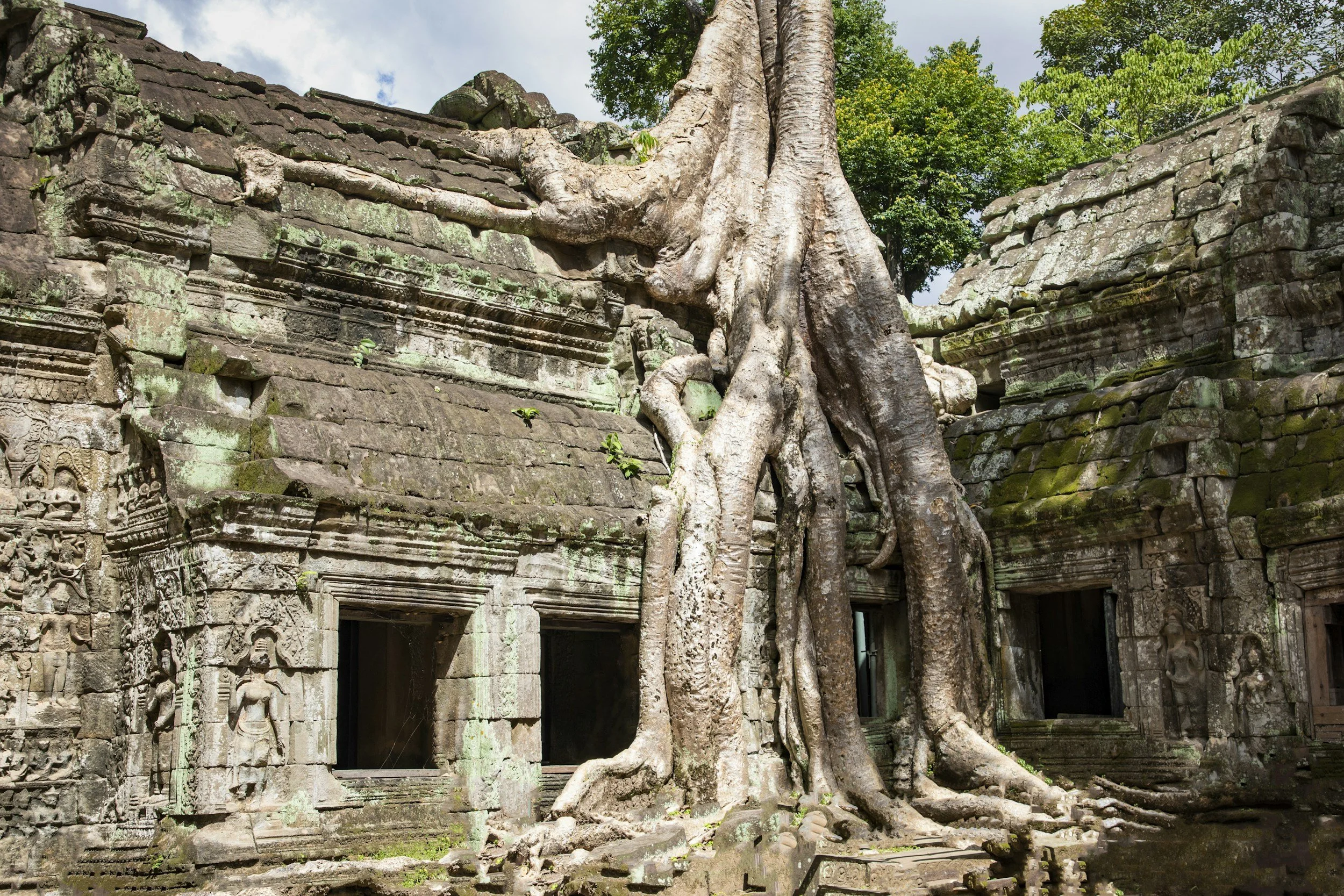
Ta Prohm
Ta Prohm is one of the most famous temples in Siem Reap because it was featured in the 2001 film Lara Croft: Tomb Raider, starring Angelina Jolie. The temple is best known for its enormous tree roots that have grown over and around the ancient stone walls, creating one of the most recognizable scenes in the Angkor Archaeological Park. It has been part of the UNESCO World Heritage Site since 1992.
There are countless photo opportunities throughout the temple, but one of the most popular spots features a giant tree whose roots wrap around the ruins. Depending on the lighting, one side of the roots can appear to glow with warm golden tones while the other looks silver in photographs, making it a favorite location for visitors.
Even if you're not a fan of Tomb Raider, Ta Prohm is worth visiting. The combination of towering jungle trees and centuries-old temple ruins gives it a magical atmosphere unlike any other temple in Siem Reap.
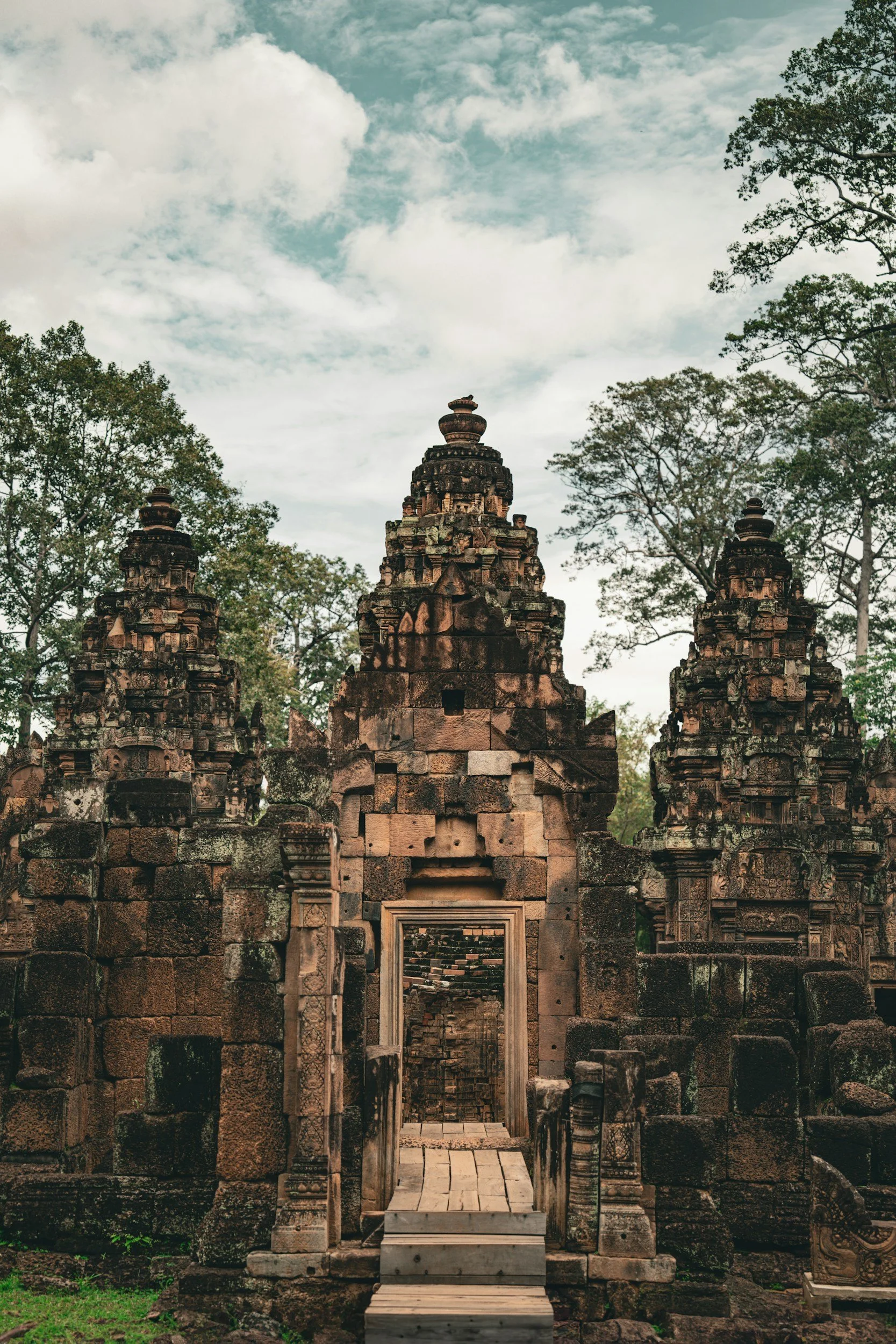
Banteay Srei
Banteay Srei is one of the most beautiful temples in the Angkor Archaeological Park. Unlike the larger temples, it is built from pink sandstone, giving it a warm rosy glow that becomes even more striking in the morning and late afternoon sunlight.
The temple is famous for its incredibly detailed carvings, which are considered some of the finest examples of Khmer craftsmanship. Although it's smaller than Angkor Wat or Ta Prohm, many visitors consider it one of the most beautiful temples because of its intricate artwork and well-preserved architecture.
Today, Banteay Srei is carefully protected as part of the Angkor Archaeological Park, helping preserve its remarkable carvings and history for future generations.
Getting Around the Temples
There are several ways to get around the Angkor Archaeological Park. You can walk between some of the temples, but keep in mind that the larger sites are spread out, so you'll still end up walking quite a bit throughout the day.
I traveled by car because that's how my family drove to Siem Reap. If you're looking for a comfortable option, you can hire a car with a driver. Make sure your driver is familiar with the Angkor Archaeological Park so they can take you to the main temples and recommend other worthwhile stops along the way.
Another popular and more budget-friendly option is to hire a tuk-tuk driver. Many visitors book a tuk-tuk for the entire day, and the driver will take them from temple to temple while waiting at each stop. It's a great way to experience Siem Reap and enjoy the open-air ride between the temples.
During one of my visits, I also walked between several of the temples, and it turned out to be one of my favorite experiences. Walking allowed me to appreciate the surrounding forests, ancient ruins, and peaceful scenery in a way that driving couldn't. It also gave me a better sense of the scale of the archaeological park and helped me imagine what travel might have been like centuries ago when these temples were first built.
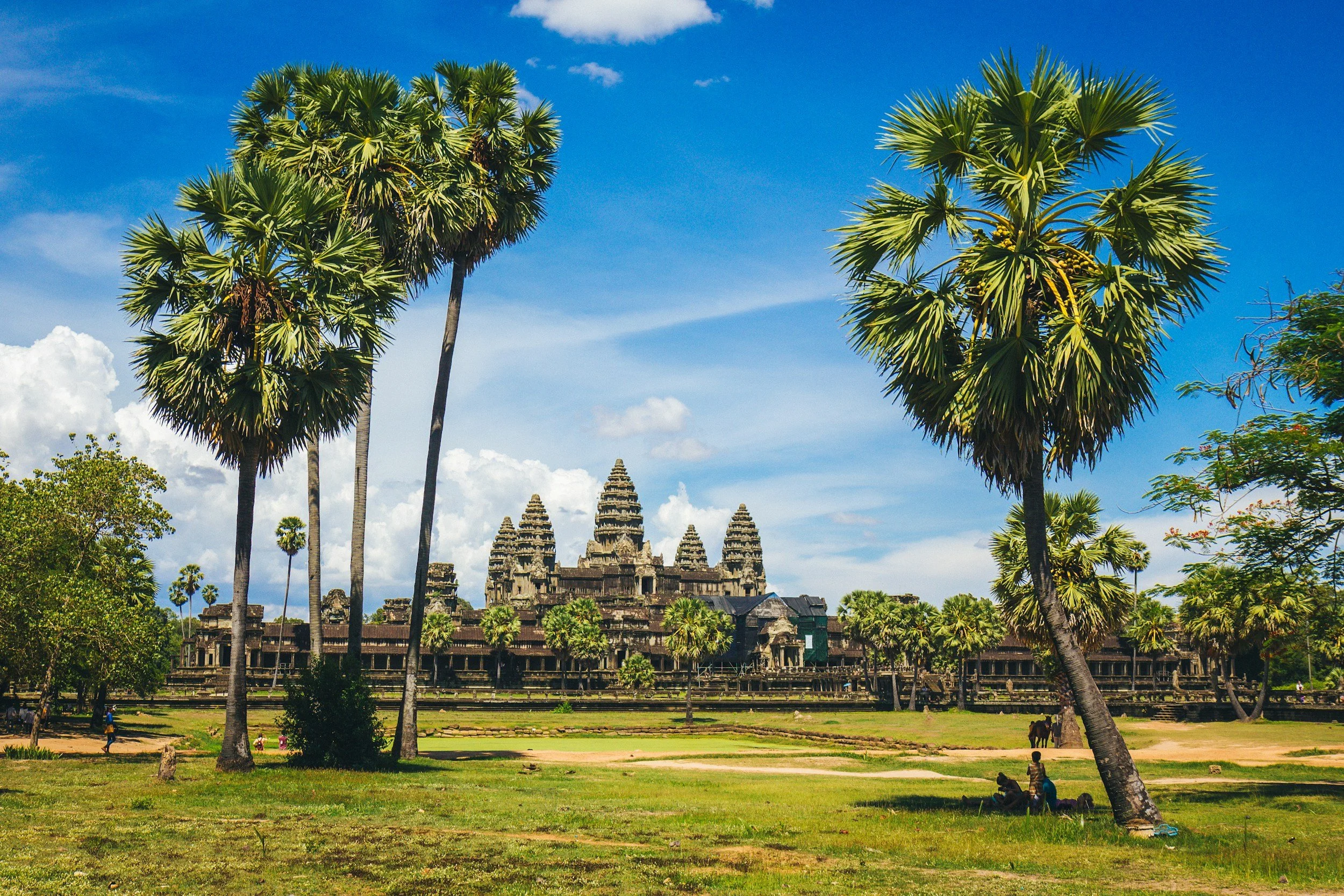
Photography and Local Guides
While you're exploring Angkor Wat, you'll likely come across photographers carrying professional cameras who offer to take photos for visitors. They know the best angles and locations around the temple to capture beautiful shots. During my visit, they charged about $0.50 USD per photo, although you may be able to negotiate the price down to around $0.25 USD per photo, depending on your bargaining skills.
At some of the other temples, you'll also meet local guides who are happy to share the history of the sites while showing you around. Many of them are also excellent photographers and know the best spots for taking memorable pictures. If you appreciate their help or enjoy learning about the temples, it's thoughtful to leave a tip. Around $2.50 USD or more is a nice gesture, depending on the length and quality of the tour.
Phnom Kulen
If you're looking for a break from the heat while exploring the temples, consider taking a trip to Phnom Kulen National Park. Located about an hour from Angkor Wat, it's one of Cambodia's most popular natural attractions.
The park is best known for its two-tier waterfall and the impressive reclining Buddha carved directly into a massive sandstone rock. It's a peaceful place to enjoy nature and experience another side of Cambodia beyond the ancient temples.
You'll need to drive up the mountain to reach Phnom Kulen. Once you're there, local motorcycle taxis are available to take visitors to the reclining Buddha and other nearby attractions. They can also take you to the waterfalls, where you'll find shaded huts and platforms that you can rent to relax, enjoy a meal, and watch the water flow by. Many visitors also cool off with a swim in the waterfall, making it a refreshing escape from the afternoon heat.
Pub Street
The best nightlife destination in Siem Reap is Pub Street. This lively pedestrian street comes alive after sunset, with restaurants, bars, cafés, and street performers creating a vibrant atmosphere. As night falls, colorful lights illuminate the street, making it one of the city's most popular places to eat, drink, shop, and experience Siem Reap's nightlife.
Final Thoughts
If you're planning a trip to Cambodia, Siem Reap should be at the top of your list. Whether you're watching the sunrise over Angkor Wat, wandering through the giant tree roots of Ta Prohm, or admiring the pink sandstone carvings of Banteay Srei, every temple has something unique to offer.
No matter when you visit, come prepared for plenty of walking, hot weather, and unforgettable views. After visiting several times myself, I can confidently say that Siem Reap remains one of my favorite places in Cambodia and a destination I'd happily return to again.
After you've explored Siem Reap, many travelers continue their journey to Battambang. If you're planning what to visit next, check out my "Battambang Travel Guide: Pteas Lorry Resort and Bat Cave (Phnom Sampov)," where I share travel tips, what to expect, and some of the city's top attractions.
