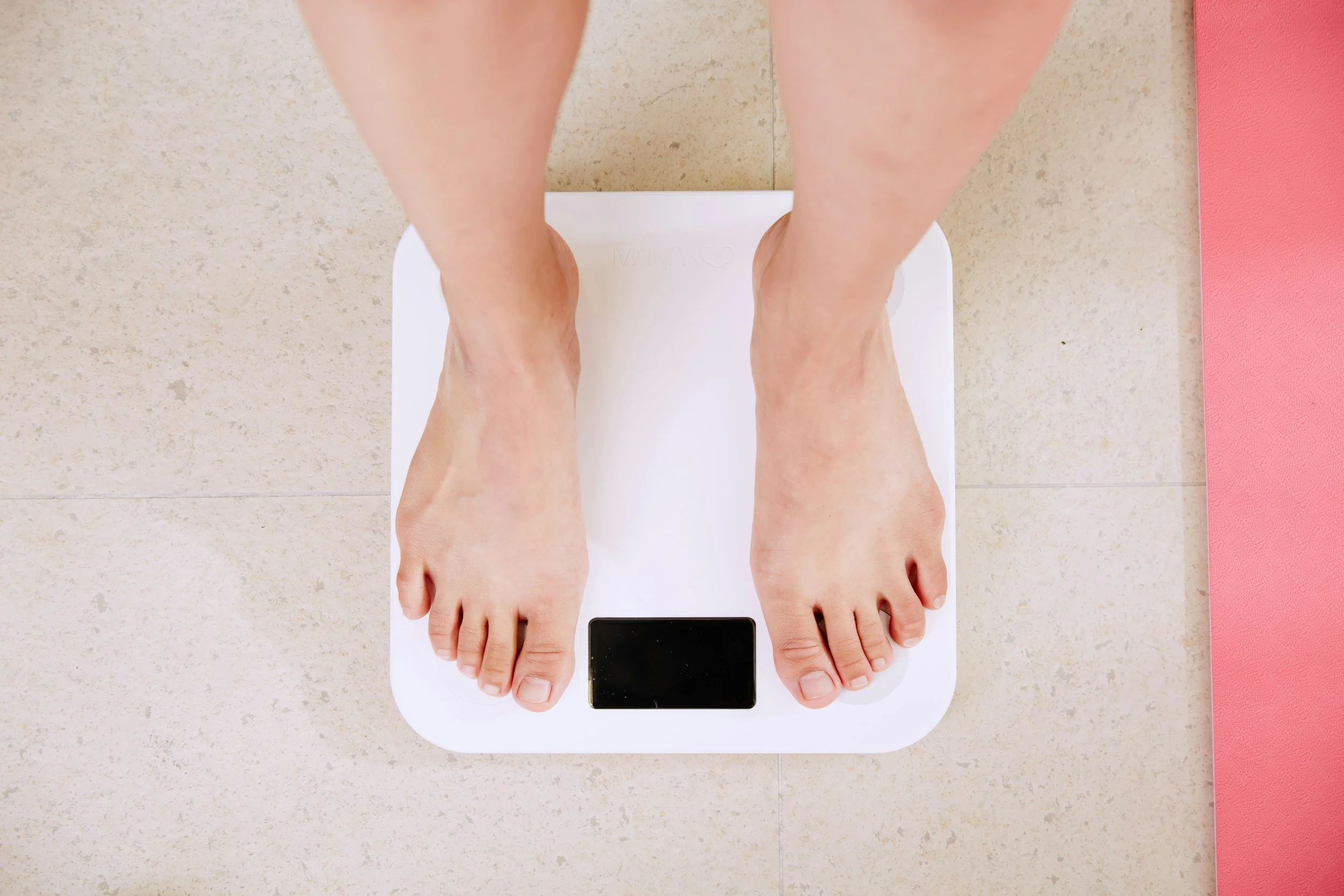
8 Daily Habits That May Explain Why Some Countries Have Slimmer Populations
People often notice that some countries appear to have lower obesity rates than others. While it may seem like there is one simple explanation, the reality is much more complex.
Body weight is influenced by many factors, including diet, physical activity, sleep, genetics, stress, healthcare access, and the environment people live in. No single habit or cultural practice explains why obesity rates differ between countries.
However, certain lifestyle patterns found in some regions may support healthier body weights over time.
Quick Answer
Countries with lower obesity rates often have environments that encourage more daily movement, smaller portion sizes, balanced eating patterns, and greater use of public transportation. These factors may contribute to healthier lifestyles, but genetics, socioeconomic status, healthcare, and personal choices also play important roles.
1. More Walking and Daily Movement
One of the biggest differences between countries is how people get around.
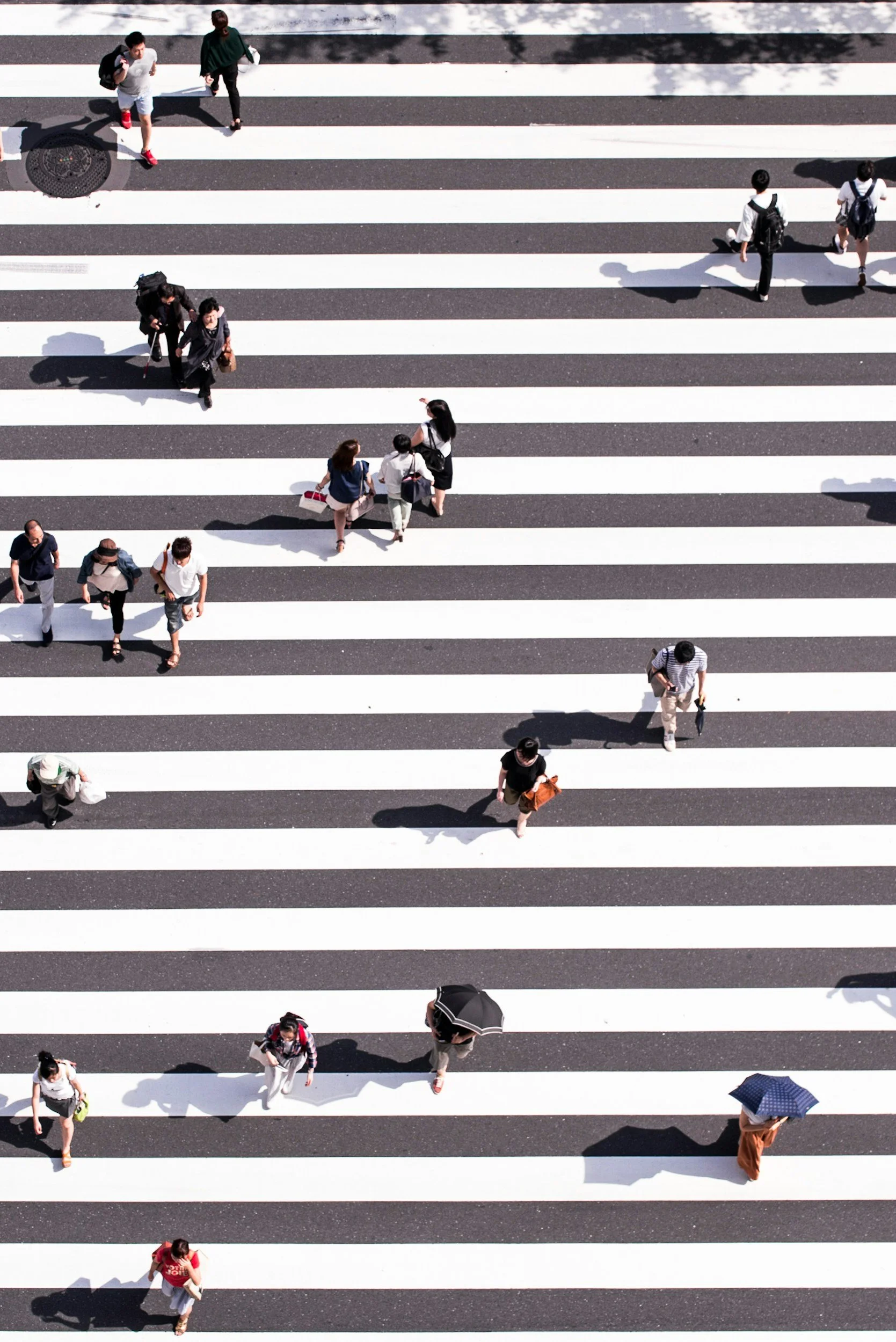
In many cities throughout Asia and Europe, public transportation is widely used. Commuting often involves walking to train stations, bus stops, schools, workplaces, and restaurants.
When I spent time in Asia, I noticed how much walking was naturally built into everyday life. Even running errands or meeting friends often meant walking much farther than many people typically do in car-dependent communities.
Climbing stairs, walking through transit stations, and traveling on foot throughout the day can significantly increase overall physical activity without requiring a structured workout.
In contrast, many communities in the United States are designed around driving. Outside of cities with extensive public transportation, such as New York City, many people rely on cars for most daily activities, which naturally reduces opportunities for movement.
2. Smaller Portion Sizes
Restaurant portion sizes vary considerably around the world.
In many countries, meals are served in smaller portions than those commonly found in North America. This doesn't necessarily mean people eat less overall, but portion sizes may better match individual energy needs.
For example, sushi servings, fries, and restaurant meals are often noticeably smaller in many Asian countries than similar meals served elsewhere.
Smaller portions can make it easier to avoid unintentionally consuming excess calories.
3. Traditional Food Culture
Many traditional diets emphasize balance rather than oversized meals.
Countries such as South Korea, Japan, and Vietnam often serve meals consisting of rice, vegetables, protein, soup, and several small side dishes. This variety provides different nutrients while naturally encouraging moderation.
These eating patterns often include foods rich in protein, fiber, vitamins, and minerals that can help people feel satisfied after meals.
Of course, modern eating habits are changing in many countries, but traditional meal patterns continue to influence daily diets.
4. Less Reliance on Fast Food
Fast food is now available in much of the world, but consumption patterns still differ.
In many places, home-cooked meals remain a larger part of everyday life, while fast food is treated as an occasional convenience rather than a daily habit.
That said, this trend is changing. International fast-food chains have expanded rapidly into many cities, including places like Cambodia, making calorie-dense convenience foods more accessible than ever before.
5. Active Communities and Urban Design
The design of cities influences how much people move.
Walkable neighborhoods, sidewalks, parks, bike lanes, and convenient public transportation encourage people to be physically active throughout the day.
When daily movement becomes part of normal life, people often burn more calories without intentionally exercising.
6. Sugary Drinks and Snacking
Eating patterns also vary between cultures.
Some populations consume fewer sugar-sweetened beverages and snack less frequently between meals. Others may drink soda, sweetened coffee beverages, or high-calorie drinks multiple times each day.
While occasional treats can certainly fit into a balanced lifestyle, frequent consumption of calorie-dense snacks and sugary drinks can increase overall calorie intake over time.
Choosing water or unsweetened beverages more often may help reduce unnecessary calories.
7. Sleep, Stress, and Modern Lifestyles
Lifestyle factors extend beyond food and exercise.
Poor sleep, chronic stress, and long hours of sitting may all influence eating habits and overall health.
Many office workers spend much of the day sitting at desks or commuting by car. Combined with limited physical activity, this lifestyle may contribute to gradual weight gain over time.
Getting enough sleep, managing stress, and incorporating regular movement into the day can support long-term health.
8. Social and Cultural Influences
Cultural expectations surrounding food, body image, and lifestyle can also influence habits.
In some countries, home cooking, walking, and balanced meals are deeply rooted in everyday life. In others, convenience foods and larger portions may be more common.
Clothing sizes also vary internationally, and body size standards differ across cultures. However, healthy weight should always be viewed from a health perspective rather than appearance alone.
Obesity Is Increasing Worldwide
Although some countries currently have lower obesity rates than others, obesity is becoming a global public health challenge.
Urbanization, increased availability of processed foods, sedentary lifestyles, and changing eating habits have contributed to rising obesity rates in many regions of the world.
No country is completely immune to these trends.
Final Thoughts
There is no single reason why some countries have lower obesity rates.
Instead, differences are shaped by a combination of daily movement, transportation, portion sizes, food culture, sleep, stress, urban design, genetics, and many other environmental factors.
While we cannot control every factor that affects our health, adopting habits such as walking more, preparing balanced meals, limiting highly processed foods, getting enough sleep, and staying physically active can support long-term health regardless of where we live.