How I Gained 25 Pounds, Lost It, and Plan to Lose It Again
Disclaimer: This is my experience.
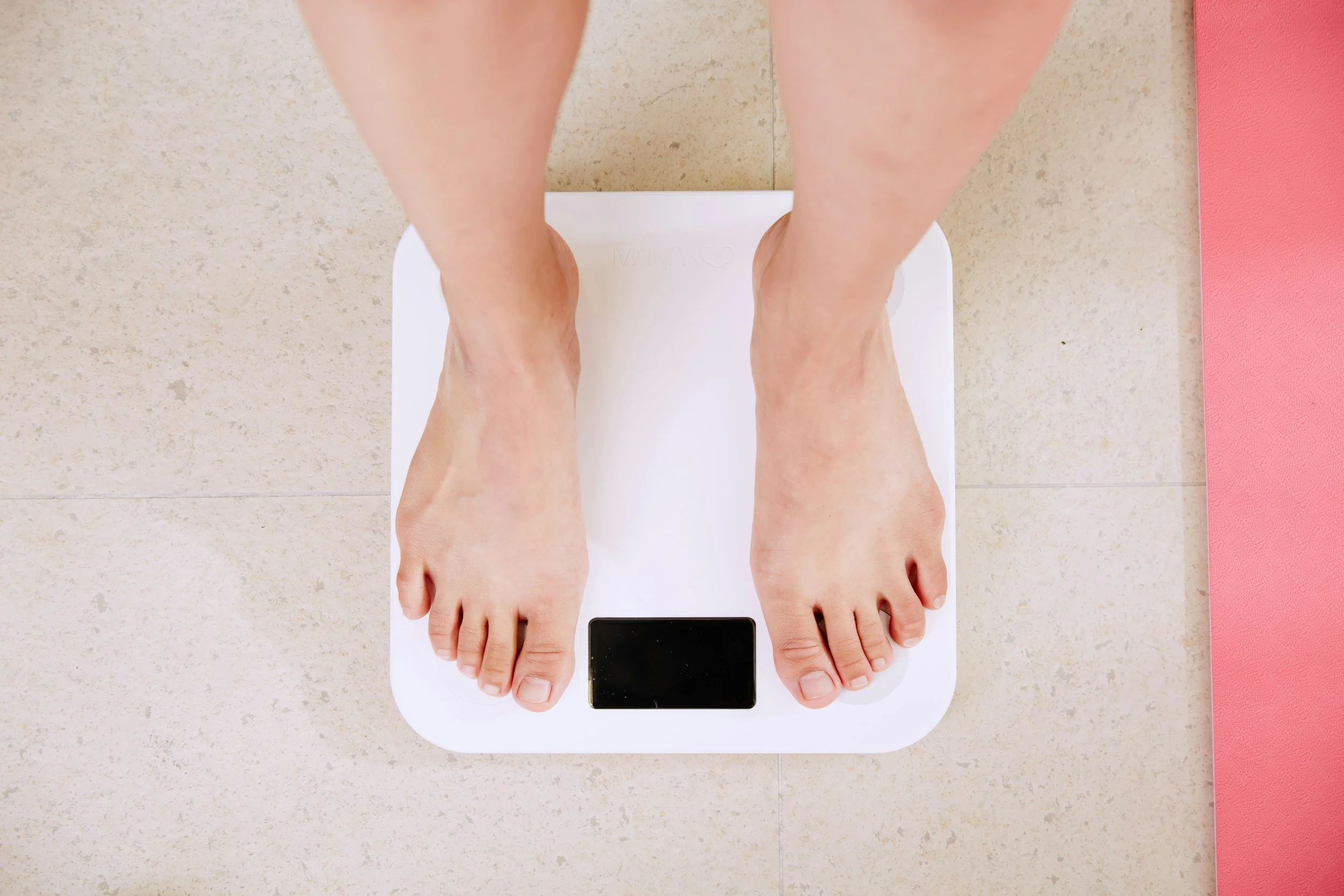
Weight loss is never easy. I gained 25 pounds, lost it, and eventually gained it back. However, the weight returned gradually over the course of a year, not within weeks or months, so I wouldn’t consider it a yo-yo diet situation. Now, I’m determined to lose the weight again through conscious eating, calorie control, and regular exercise.
There’s no magical solution for weight loss. No secret sauce. Losing weight takes consistency, discipline, and hard work. If you stay committed, the pounds can come off from your arms, stomach, face, neck, and legs. The transformation may surprise both you and the people around you. More importantly, the journey can help you build confidence and learn to love yourself more.
This is my personal story about gaining and losing 25 pounds — and my plan to do it again.
Accepting Weight Gain After College
Like the title says, I’m much heavier now than I was when I was younger. Some people have told me to accept that my body has changed with age and that my metabolism has slowed down. While that may be true to some extent, I’ve lost the weight before, and I believe I can do it again.
For comparison, I weighed 105 pounds in college, and now I weigh 132 pounds after being out of college for a while. My goal weight is 110 pounds, which I believe is realistic and achievable with consistency.
Why I Gained 20-30 Lbs Weight
A major reason for my weight gain was drinking bubble tea almost every day. There was a boba shop near my house that offered a buy-one-get-one-free deal every day, and I took full advantage of it. Before I knew it, I was drinking two bubble teas a day. The calories and sugar added up quickly, and over the course of two months, I gained 10 pounds. Looking back, I was honestly addicted.
This is my warning to anyone trying to maintain or lose weight: bubble tea can easily derail your weight-loss goals if you drink it too often. Enjoying it once or twice a month is perfectly reasonable, but having it several times a week—or even every day—can contribute to weight gain much faster than you might expect.
You might think this sounds obvious, but our daily habits often don't feel significant in the moment. If avoiding sugary drinks were truly that easy, we wouldn't see so many people regularly drinking soda, sweetened coffee, or other high-sugar beverages every day. Small choices repeated over time can have a surprisingly big impact on your weight and overall health
My Weight Loss Plan: Intermittent Fasting and Calorie Deficit
To lose the weight, I’m currently practicing intermittent fasting. If you’re unfamiliar with intermittent fasting, it’s an eating pattern where you fast for a certain number of hours and eat during a specific time window. Many people use intermittent fasting to reduce overeating, control cravings, and improve eating habits.
However, one important thing to understand is this: you will not lose weight unless you are in a calorie deficit. Weight loss happens when you burn more calories than you consume.
Common Intermittent Fasting Schedules
Some of the most popular intermittent fasting methods include:
16/8 fasting — Fast for 16 hours and eat within 8 hours
18/6 fasting — Fast for 18 hours and eat within 6 hours
20/4 fasting — Fast for 20 hours and eat within 4 hours
You can choose whichever schedule works best for your lifestyle, but it’s usually easier to start with a smaller fasting window before progressing. Then, you can eventually lower the eating window and widen the fasting hours.
Why 18/6 Intermittent Fasting Helps Me Lose Weight
Right now, I'm following the 18:6 intermittent fasting method. I've only been doing it for about two weeks, and while I've cheated once or twice, I know this approach works for me because I've successfully lost weight with it before. In the past, I've lost anywhere from 15 to 25 pounds using intermittent fasting along with calorie counting. Personally, I find that the 18:6 schedule helps me lose weight more consistently than other methods I've tried.
One of my biggest struggles lately has been late-night eating, which is actually new for me. Normally, I don't get hungry at night, but recently food just seems to taste better after dinner. During the day, I can manage my hunger fairly well, but once nighttime arrives, all I seem to think about is food.
Intermittent fasting helps me put an end to late-night snacking by creating clear boundaries around when I eat and when I don't. Having a set eating window makes me more mindful of my habits and gives me fewer opportunities to snack out of boredom. Over time, I also noticed that my hunger and cravings became easier to manage.
If you're trying to stop eating late at night, intermittent fasting may be worth trying. The first few days can be challenging, but many people find that their body gradually adapts to the schedule over time. Of course, everyone's experience is different, so it's important to choose an eating pattern that works for your lifestyle and health needs.
Like my parents always say, weight loss is largely about willpower and consistency. When you're struggling with cravings or tempted to snack, remind yourself why you started. You want to lose weight, improve your health, feel more confident, and reach your goals. Those long-term rewards are often worth more than a few minutes of satisfaction from an unnecessary snack.
Diet Party: No Sugar, No Sweets, No Processed Food Diet: Simple Clean Eating Plan for Beginners
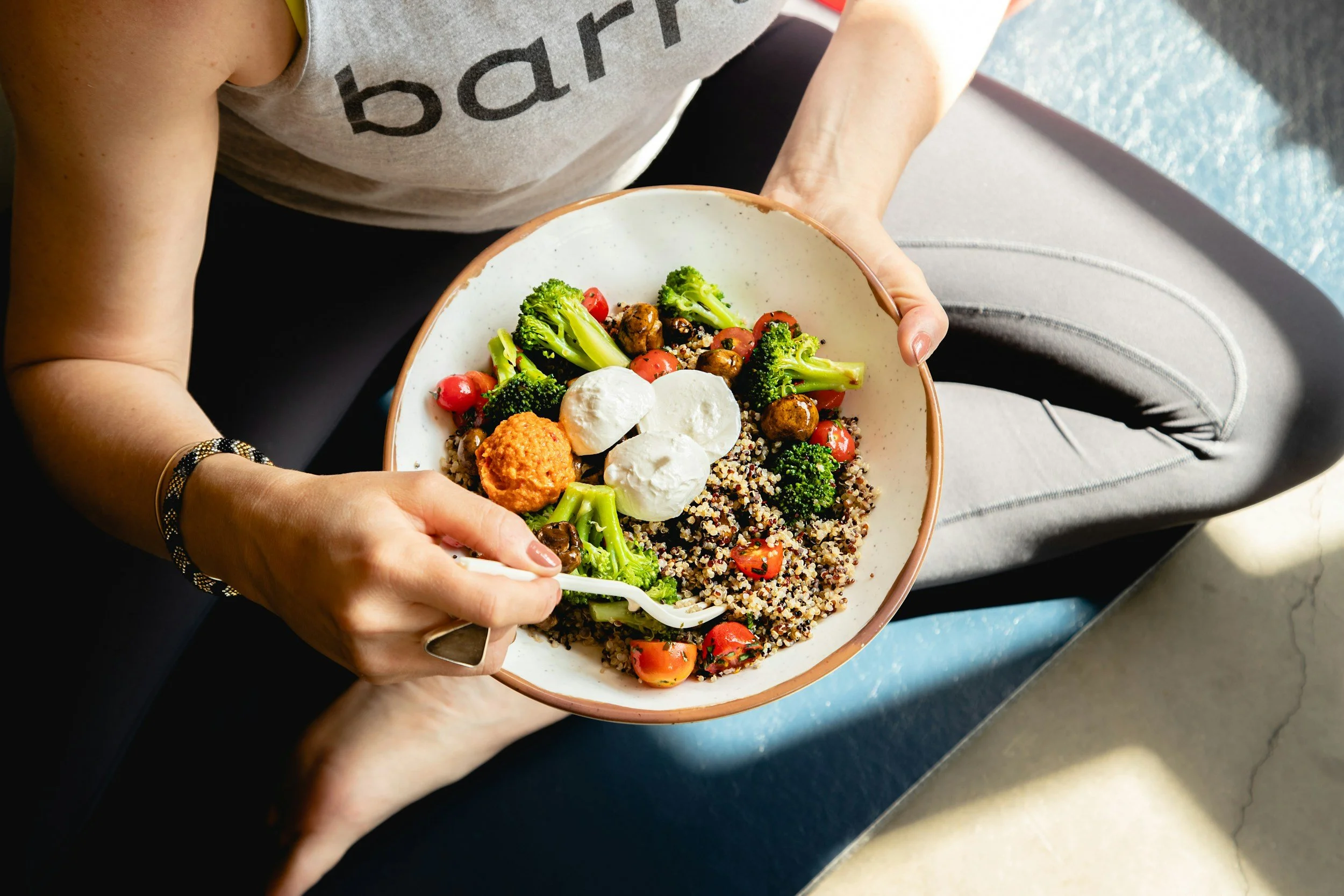
Some people don’t count calories or strictly limit their food intake while fasting, yet they still lose weight. Instead of tracking everything, they focus on removing sugar, sweets, and processed foods. By eating whole, natural foods and avoiding ultra-processed snacks, they tend to feel full, eat more freely, and still support weight loss naturally—often without deliberately restricting portion sizes.
I’ve done a sugar cleanse before, when I successfully lost 20 lbs in 3 months. It wasn’t as difficult as I expected because I didn’t experience headaches, fatigue, or sugar withdrawal symptoms. I was already counting calories and cooking my own meals, so I simply cut out sugar completely. I also didn’t use any sugar substitutes—I just avoided it altogether.
Counting Calories for Faster Weight Loss
In addition to intermittent fasting, I also count calories carefully. Right now, I’m personally eating around 800–1,000 calories a day.
I understand this may sound extremely low or unsustainable for many people, and calorie needs vary depending on age, height, activity level, and overall health. My main focus is making sure I eat enough protein to stay fuller longer and reduce cravings throughout the day.
I use the MyFitnessPal app to track my calories, and I honestly think it’s one of the best free calorie-tracking apps available. The app already includes a huge database of foods, which makes logging meals quick and easy. Tracking my calories daily helps me stay accountable and maintain my calorie deficit throughout the day.
I also try not to snack because snacking can quickly push my calories over the limit. I’ve read on Reddit that some people lose weight quickly with intermittent fasting alone by simply cutting processed foods and sugar. In many cases, that naturally lowers their calorie intake.
For me personally, I still need to count calories carefully to stay under 1,200 calories a day if I want to lose weight consistently. If I don’t track my calories, I tend to overeat. Then, I find that I don’t lose any weight.
When I successfully lost 20 pounds, these were the exact things I did:
Followed an 18:6 intermittent fasting schedule.
Counted calories and kept my daily intake at no more than 1,000 calories.
Cut out sugar almost entirely, consuming very little if any each day.
Avoided processed foods, takeout, and sugary drinks.
Walked for 90 minutes a day at a pace of 4 km/h.
Drank a litre and half of water everyday
Did regular cardio and bodyweight exercises, including jumping jacks, sit-ups, and planks for one hour.
These habits helped me create a consistent calorie deficit and maintain it over time, which ultimately led to my weight loss.
What I Eat in a Day
Here’s an example of what I typically eat in a day while staying around 800–1,000 calories:
Breakfast
Skip breakfast
Lunch
Cambodian food totalling less than 600 calories
Rice
Coffee with milk and 2 teaspoons of sugar
Dinner
3 fried eggs
Rice
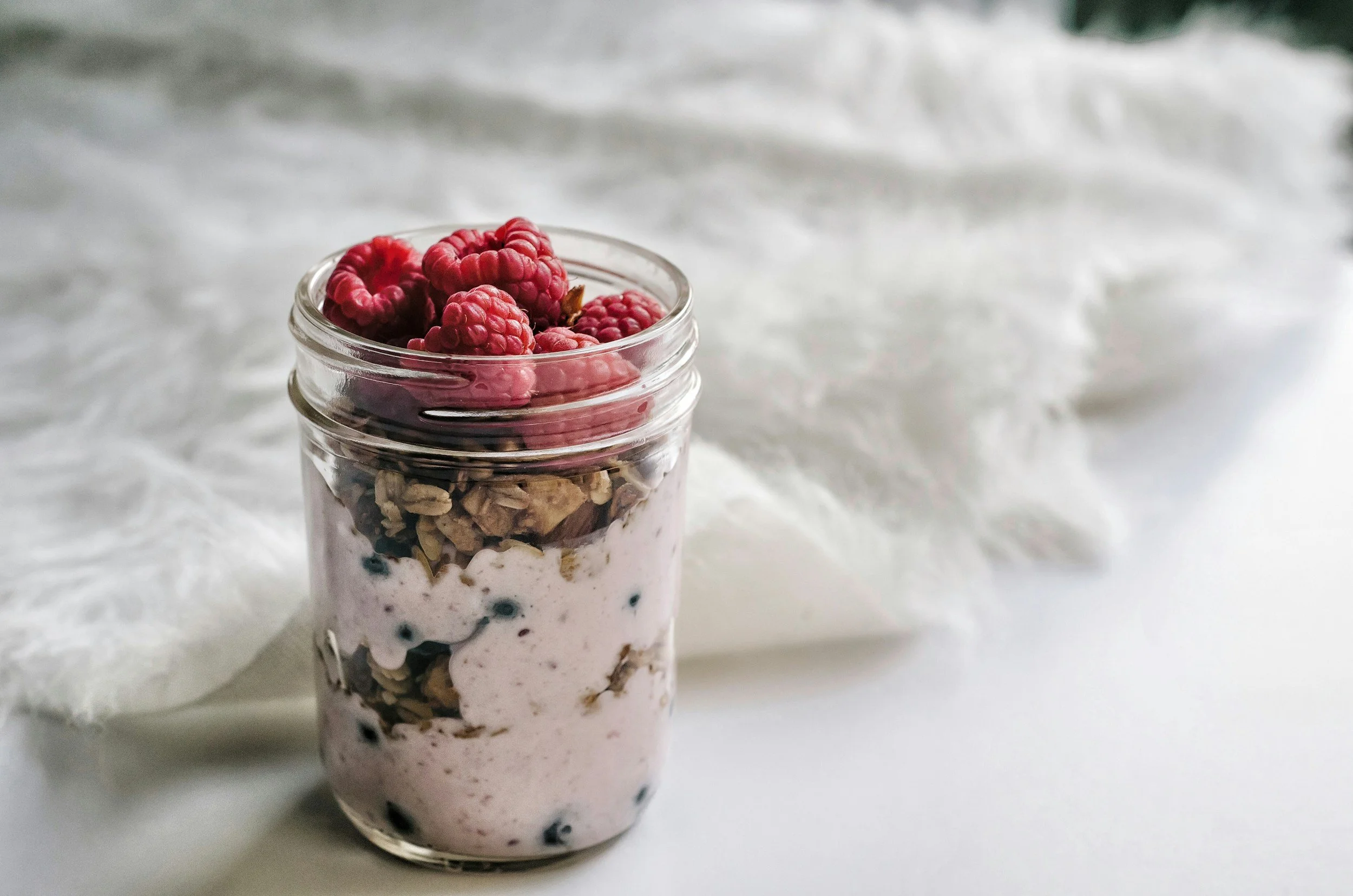
Yogurt from a brand called The Yoghurt Shop — an Australian-style yogurt that honestly tastes like heaven.
Honestly, I don’t mind eating similar foods every day. Sometimes I’ll eat something different, so don’t worry, it’s not always exactly the same. But for the most part, I try to keep my calories under 1,000 per day.
Of course, sometimes I fail. For example, today I ate around 1,300 calories because I had two yogurts instead of one. But honestly, it wasn’t because I was hungry. It was because of cravings.
I’ve realized that a lot of eating is driven by habit, boredom, emotions, or cravings rather than actual hunger. And sometimes, messing up is okay. One higher-calorie day doesn’t ruin your progress. The important thing is getting back on track the next day instead of giving up completely.
Walking For Weight Loss
To support my weight loss goals, I walk for one hour every day. Walking is one of the easiest and most sustainable forms of exercise, and it helps burn extra calories while improving overall health.
I also try to maintain a healthy sleep schedule. I sleep at least 8 hours a day because proper rest plays a huge role in weight loss, hunger control, and energy levels. It also helps me stay on my intermittent fasting schedule. I let my sleep time take over most of my fasting time to help.
Drinking More Water Helped Reduce My Cravings
In the past, when I lost weight quickly, I also drank a lot more water. I know people say this all the time, but drinking water really does help with weight loss. It helped reduce my cravings, kept me full longer, and encouraged me to snack less throughout the day.
At one point, I was drinking at least 3 litres of water every day. These days, I still drink water, but I find myself reaching for tea more often instead.
Drinking more water can support weight loss and healthier-looking skin. Staying hydrated may help reduce cravings, boost energy levels, support fat loss, and give your skin a natural glow.
One simple trick to drink more water is to fill a large water bottle and keep it with you throughout the day. Sip from it regularly until it’s empty. Small healthy habits can make a big difference — so carry your bottle around and keep drinking from it.
My Weight Loss Progress So Far
My goal is to lose 25 pounds in 3 months through intermittent fasting, calorie counting, portion control, and daily exercise. While weight loss takes time and consistency, I believe creating healthy habits will help me reach my goal in a sustainable way.
What I need is structure—consistent meals, enough sleep, and stability. What I want is instant results, cravings satisfied, and comfort food at night. Most of the struggle isn’t knowledge, it’s choosing between the two.
So far, I’ve already lost 4 pounds, and I’m excited to continue this journey.
I've documented my entire weight-loss journey as I work toward losing 25 pounds. In the post below, I share my progress, the viral diets and weight-loss experiments I've tried, and weekly updates on my results.
→ My Weight Loss Journey (Viral Diets, Experiments & Real Results)
Curious if working out alone is enough to lose weight? Read I Tried the LE SSERAFIM Workout for a Month