What to Eat to Lose Weight: What Work and Didn’t Work
When you’re trying to lose weight, it can start to feel pointless. It’s frustrating when you’re hungry, tired, and not seeing results. Even when people give tips that are supposed to help, sometimes it feels like they don’t work.
I learned this the hard way with two common “healthy” food habits that didn’t actually help me lose weight.
But if you measure and count your food, these food and methods could help you lose weight.
#1: One of them was overnight oatmeal.
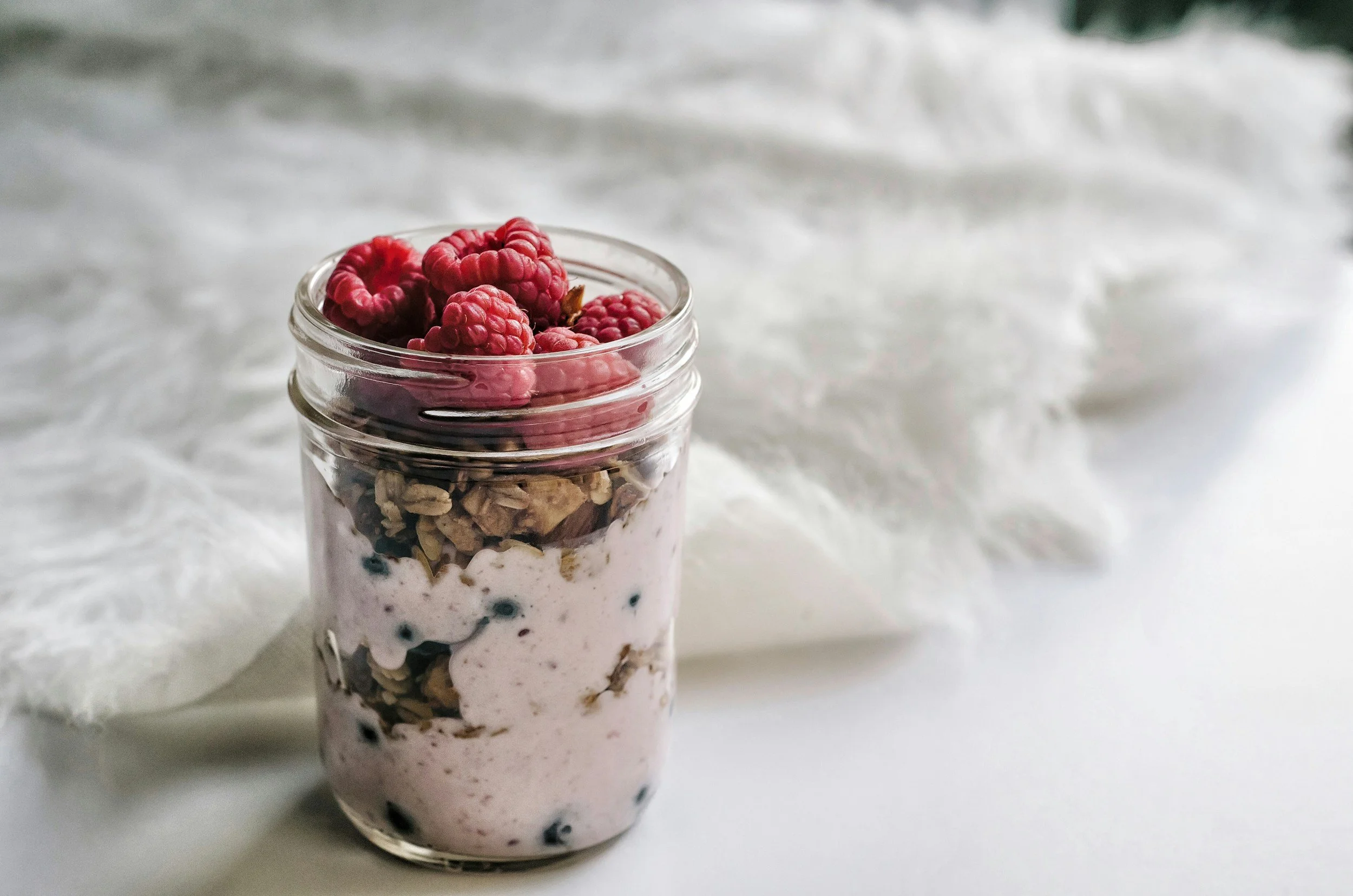
Overnight oats are just oats soaked in milk or water overnight so they soften and are ready to eat in the morning. There’s no cooking or prep needed, which makes it really convenient.
I used to eat overnight oats every day for a month, thinking it was a healthy weight-loss breakfast. But once I started tracking my calories, I realized my oats were around 600 calories per serving. That’s already a large portion of a daily calorie intake for just one meal.
If you need a simple starter on how to count calories, here’s a Beginner’s Guide to Counting Calories.
The key lesson is this: even healthy foods can slow down weight loss if you’re not paying attention to portions. You need to track the ingredients you’re adding and measure everything properly so you don’t accidentally overeat.
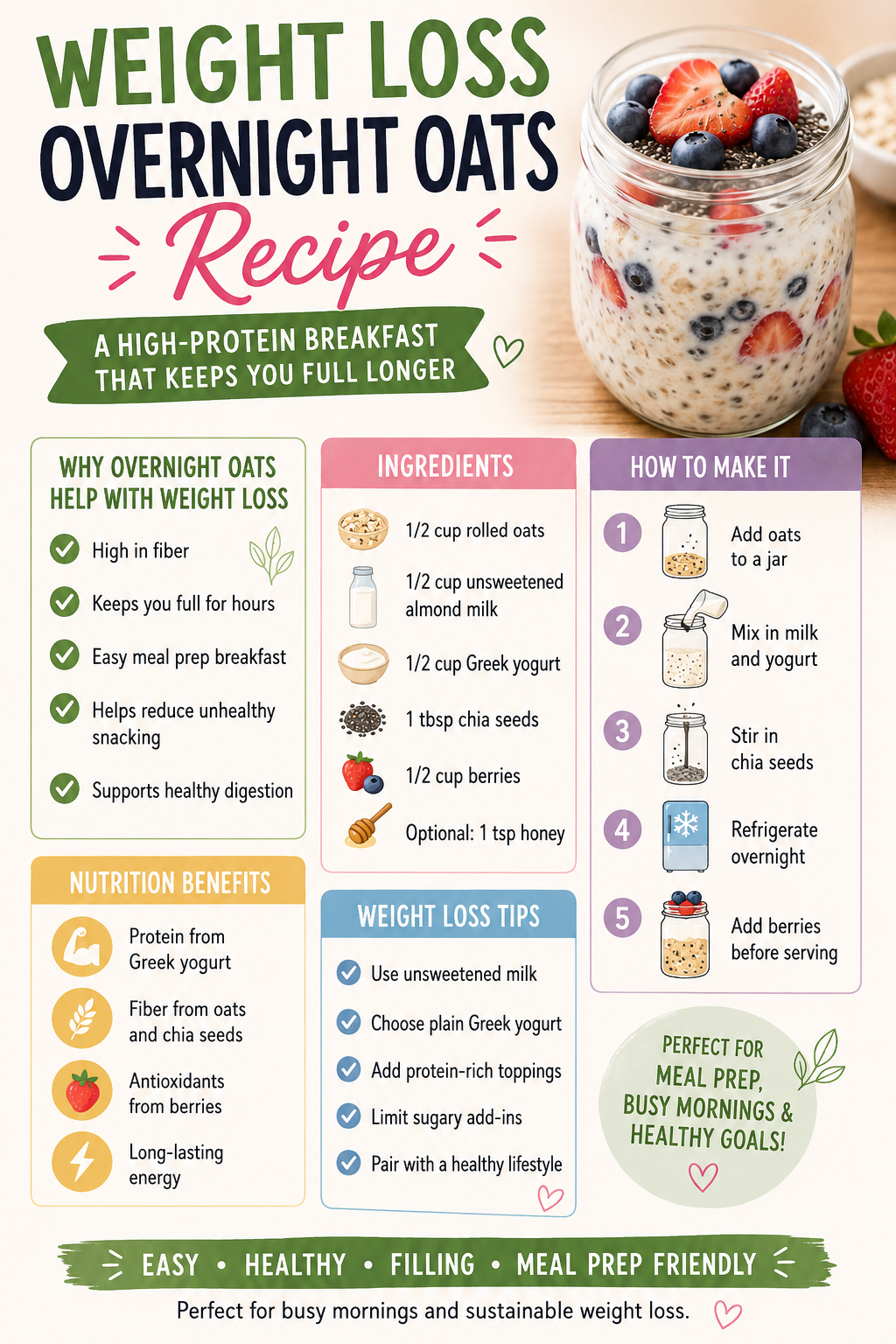
Recipes for Overnight Oats
Basic Overnight Oats
½ cup rolled oats
½–¾ cup milk or water (I personally recommend water if your goal is weight loss, even though it doesn't taste as good)
Mix everything in a jar or container
Refrigerate overnight (6–12 hours)
I recommend using a wide-mouth mason jar because it's easier to eat from.
Healthy Add-ins for Weight Loss
Protein (helps keep you full longer)
Greek yogurt
Protein powder
High-protein milk
Fruit (natural sweetness)
Banana slices
Berries
Apple chunks
Blueberries and strawberries
I recommend using frozen blueberries and strawberries because they're usually much cheaper and last longer.
Flavor
Cinnamon
Vanilla extract
Cocoa powder (although I don't recommend using too much because it can add calories quickly)
Example Weight-Loss Overnight Oats
½ cup oats
½ cup Greek yogurt
¼ cup milk
Handful of berries
Cinnamon
Optional: 1 teaspoon honey
If you use honey, make sure you're actually measuring one teaspoon. It's very easy to pour much more than you think.
What to Watch Out For
Avoid adding:
Too much peanut butter
Large amounts of nuts
Granola
Lots of sugar or syrup
Sweetened yogurt
These foods aren't necessarily bad, but they're very calorie-dense and can turn a healthy breakfast into a surprisingly high-calorie meal.
To be fair, overnight oats can taste bland without some sweetness, which is why so many people end up adding extra ingredients. That's exactly how the calories start creeping up.
Also watch out for oversized portions. Oats are healthy, but they're still calories, and calories still count.
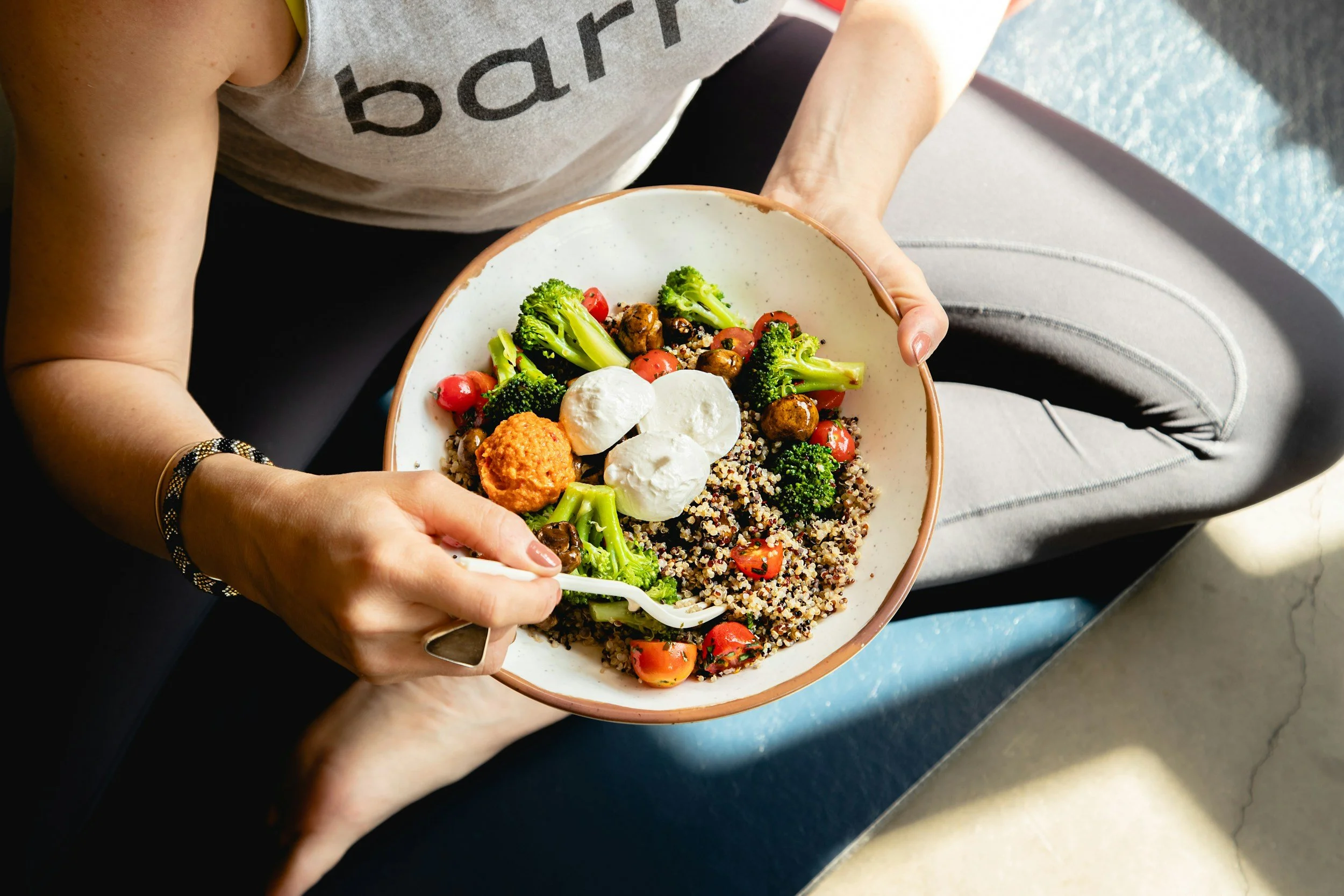
Another weight-loss method I was told would guarantee results was meal prepping. Unfortunately, I ran into the exact same problem as I did with overnight oats. The meals themselves were healthy, but I wasn't paying attention to how many calories were actually in them.
Meal prep didn't make me gain weight—it just made it easier to consistently eat more calories than I realized. I assumed that because the meals were healthy, they would automatically help me lose weight. Once I started tracking my portions and calories, I realized that healthy food can still prevent weight loss if you're eating too much of it.
If you’re looking for some recipes, I highly recommend these videos:
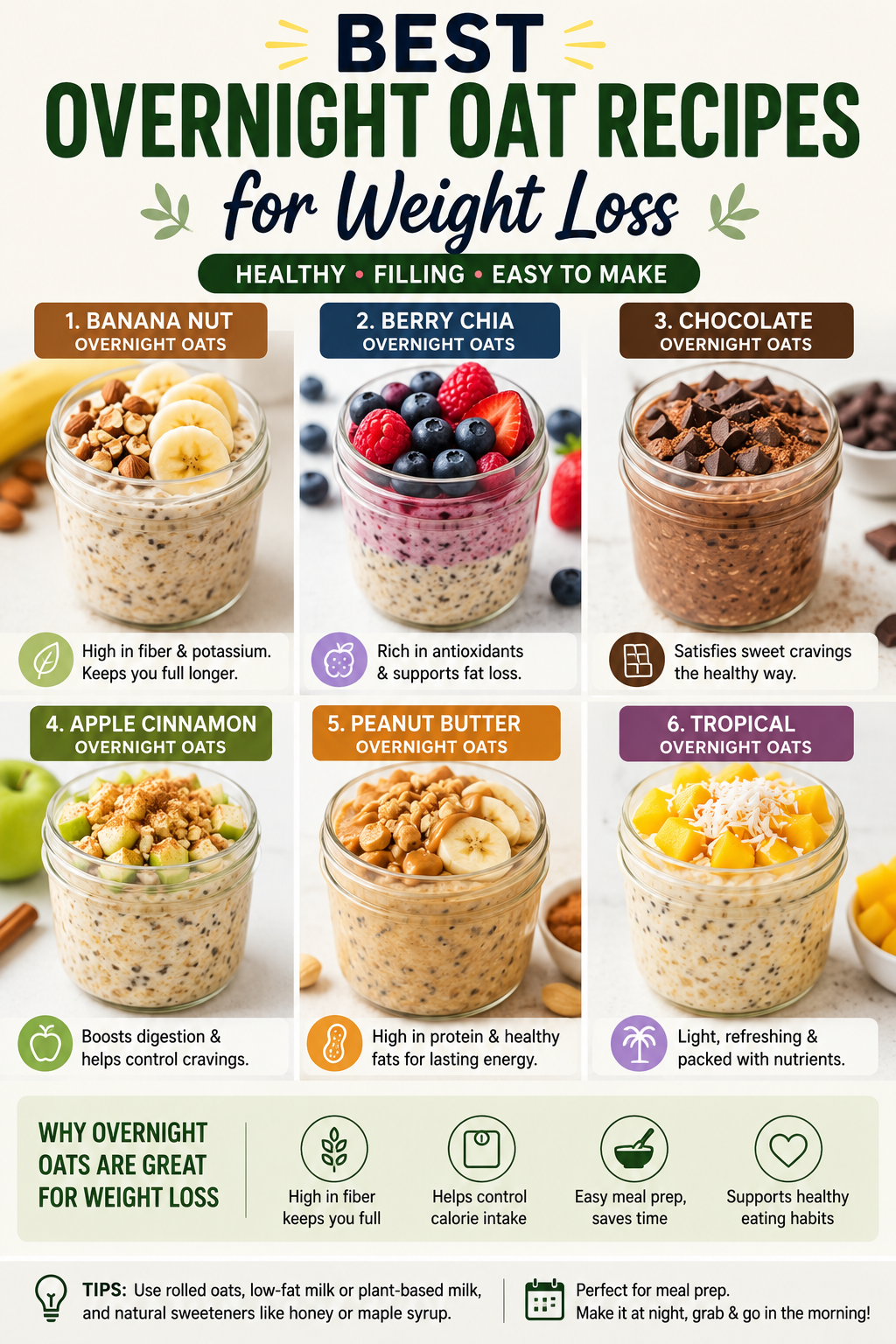
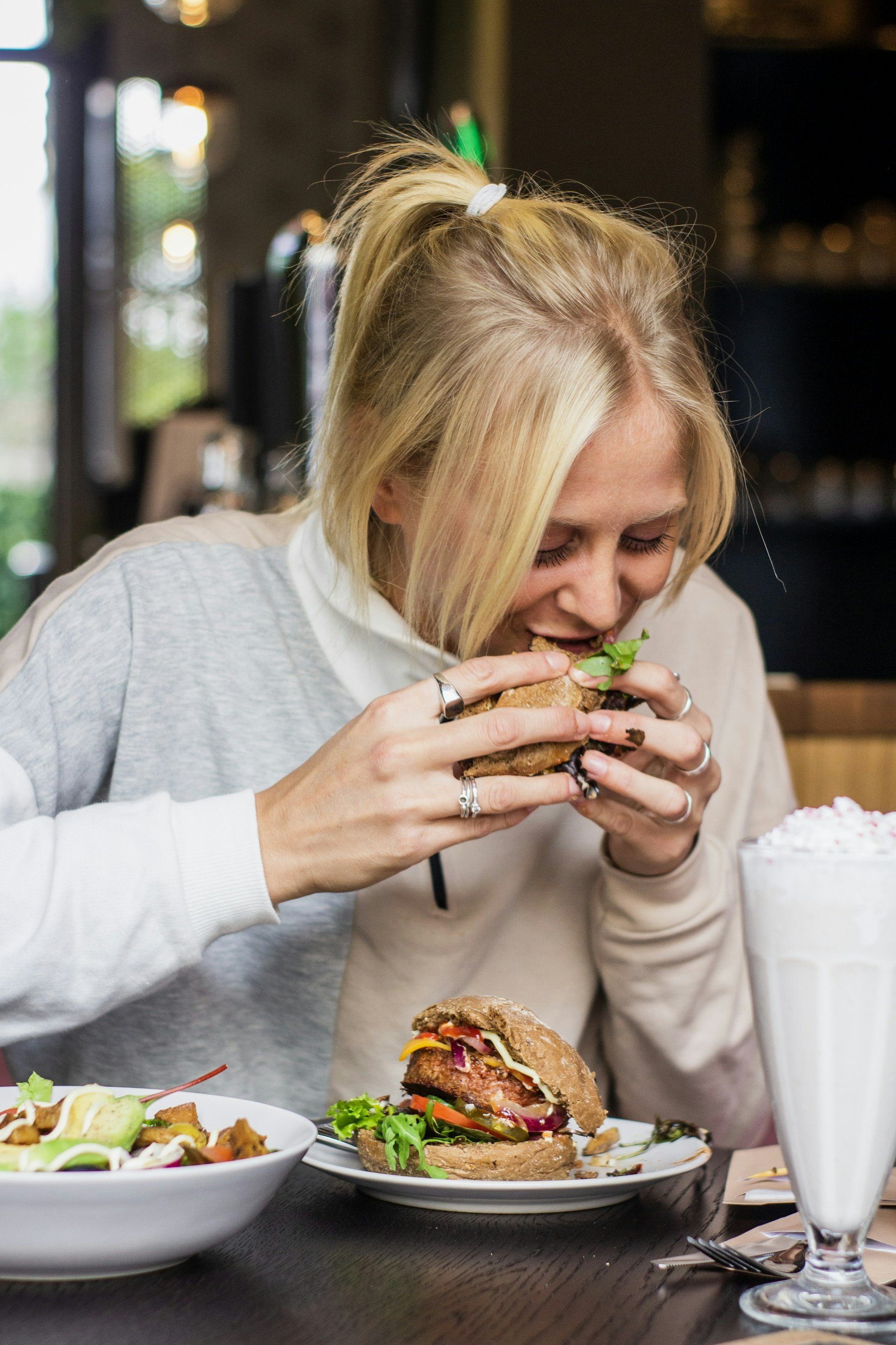
#2: Another thing that can contribute to weight gain if you're not careful is eating too many fruits, nuts, and other foods that are considered healthy.
I know what you're thinking: How can healthy foods make you gain weight?
The answer is simple: healthy doesn't automatically mean low-calorie.
Many people assume that because a food is nutritious, they can eat as much of it as they want. I used to think the same thing. I was hungry at night and assume eating some fruits wouldn’t cause that much weight gain. But when I started tracking my calories, I realized that some of the foods I was eating regularly were much higher in calories than I expected.
Foods like:
Avocados
Mangos
Nuts
Granola
Peanut butter
Oats
are all nutritious foods, but they're also very calorie-dense. This means a relatively small serving can contain a surprisingly large number of calories.
For example, a handful of nuts can easily contain 150–200 calories. A few spoonfuls of peanut butter can add another 200 calories. Granola is often marketed as a healthy breakfast option, but many store-bought versions are packed with sugar and calories.
None of these foods are bad for you. In fact, they can be part of a healthy diet. The problem is that they're easy to overeat.
This was one of the biggest lessons I learned during my weight-loss journey. I was focusing too much on whether a food was "healthy" and not enough on how much of it I was actually eating.
At the end of the day, weight loss still comes down to calories. You can gain weight eating healthy foods if you're consistently eating more calories than your body needs.
Once I started tracking my calories and measuring my food properly, I finally understood why I wasn't seeing results. Weight loss doesn't come down to eating the "perfect" foods—it comes down to eating the right amount of food for your goals.