Beginner Makeup Essentials: 10 Must-Have Products for Your First Makeup Bag
I may earn a small commission from affiliate links at no extra cost to you. I only recommend products I genuinely use, love, and trust in my own routine. Please read our Disclosure.
One thing I learned growing up is that makeup is expensive. I still remember buying makeup at the grocery store when the male cashier finished ringing up my items and joked, "I'm glad I don't wear makeup." Looking at the total, I couldn't help but laugh because he definitely had a point.
Quality makeup can add up quickly, especially when you're buying foundation, concealer, mascara, blush, and all the other products needed for a complete routine. That's why I'm always searching for affordable alternatives that deliver results comparable to luxury brands.
If you're just starting to build your makeup collection, you might be wondering which products are actually worth buying. With so many options available, it can be overwhelming to know where to begin. The good news is that you don't have to spend hundreds of dollars to create a beautiful makeup look.
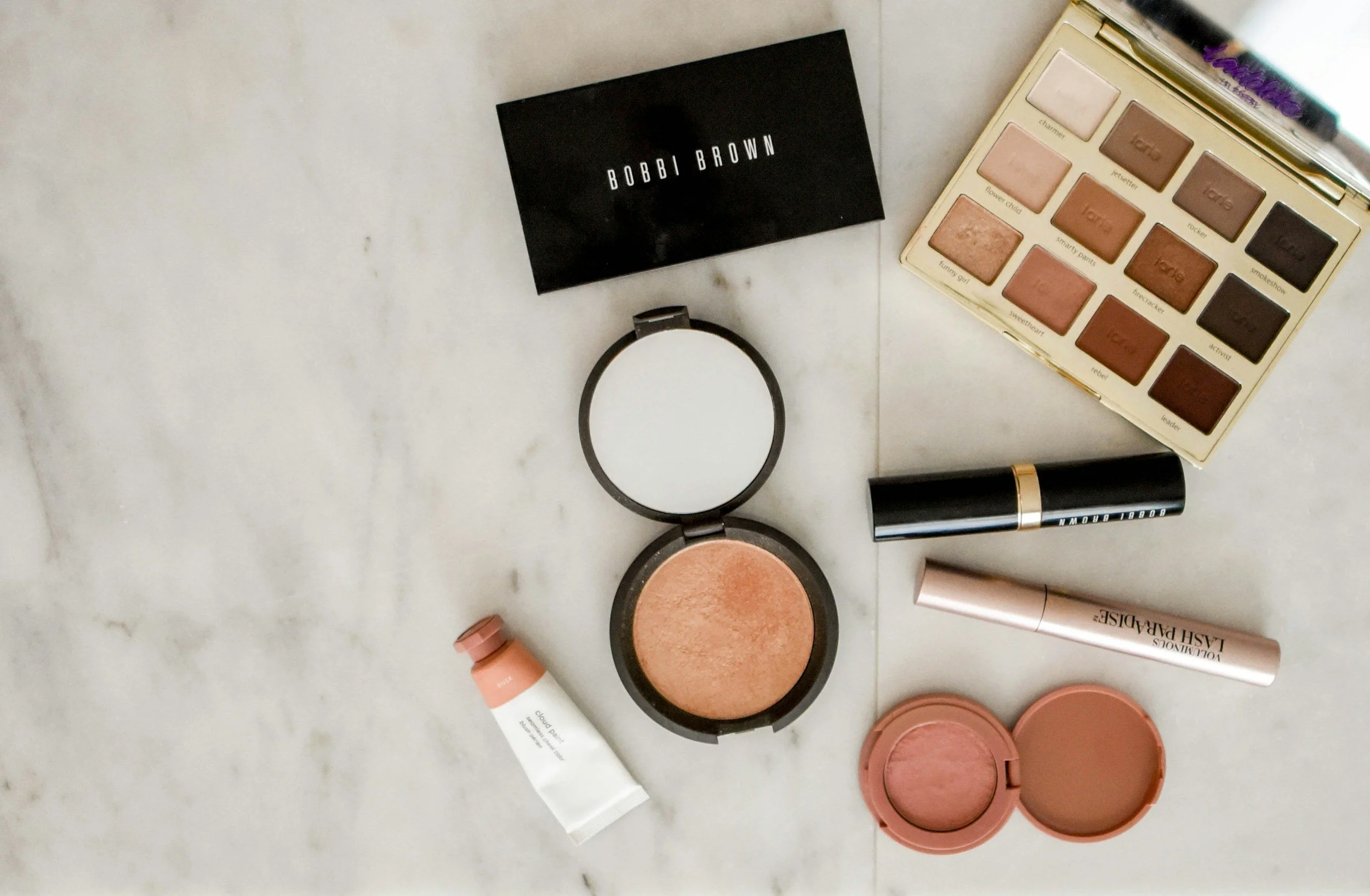
The products in this guide are some of the most highly rated in the beauty industry and can help you create everything from a natural, everyday look to a full-glam transformation. Whether you're a beginner or simply looking to upgrade your routine while saving money, these makeup essentials offer excellent performance without the luxury price tag.
If you're aiming for a fresh, effortless appearance, be sure to read my guide on How to Create a Soft and Natural Makeup Look, where I walk you through the products and techniques for achieving a beautiful, everyday finish.
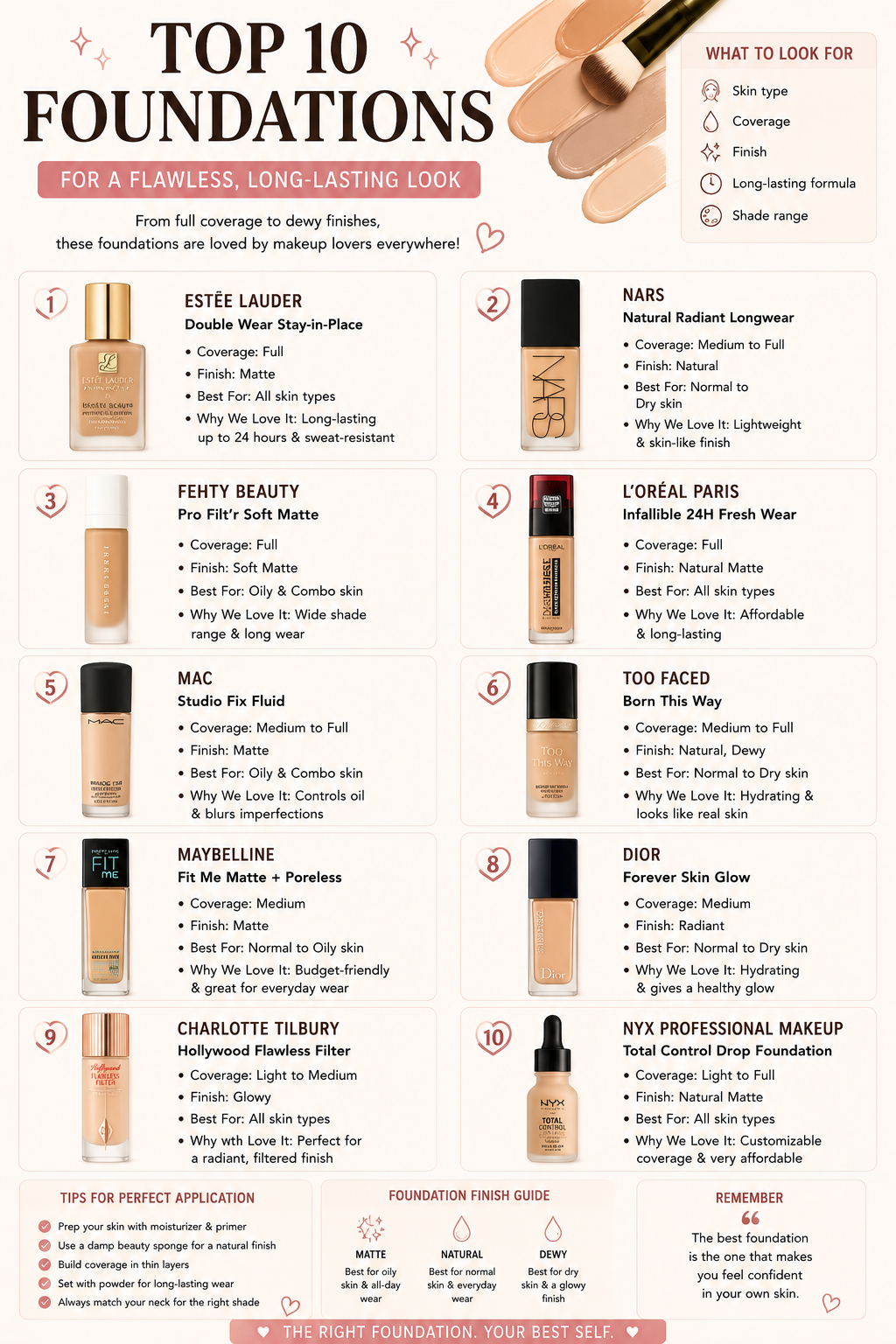
It all starts with the base—the foundation of your face.
You want a foundation that makes your skin look like your skin, just more flawless. The goal isn't to completely change your appearance but to create a smoother, more even complexion with fewer visible pimples, redness, and fine lines.
Your foundation has to do most of the heavy lifting in your makeup routine. If it starts to melt, separate, or wear off throughout the day, your entire makeup look can end up looking uneven.
Choosing the right foundation is important because not every foundation is made for every skin type.
If you have oily skin, look for a foundation with a natural matte finish and good oil control. If you have dry skin, a hydrating or dewy foundation may work better and help prevent your makeup from looking flaky.
Shade matching is just as important. The wrong shade can make your makeup look obvious and unnatural. Try to match your foundation to your neck and jawline rather than your hand, since the skin on your hands is often a different color from your face.
It's best to visit a beauty store like Sephora or another professional makeup retailer to get shade matched. They can use color-matching technology or match you by eye based on their experience. You don't want your face to be darker than your neck. While a slightly lighter foundation is often more forgiving, the goal is to find a shade that blends seamlessly so your makeup looks like your natural skin.
Another thing to consider is your undertone. Your skin can have a warm, cool, or neutral undertone, and choosing the wrong undertone can make your foundation look off even if the shade itself seems correct.
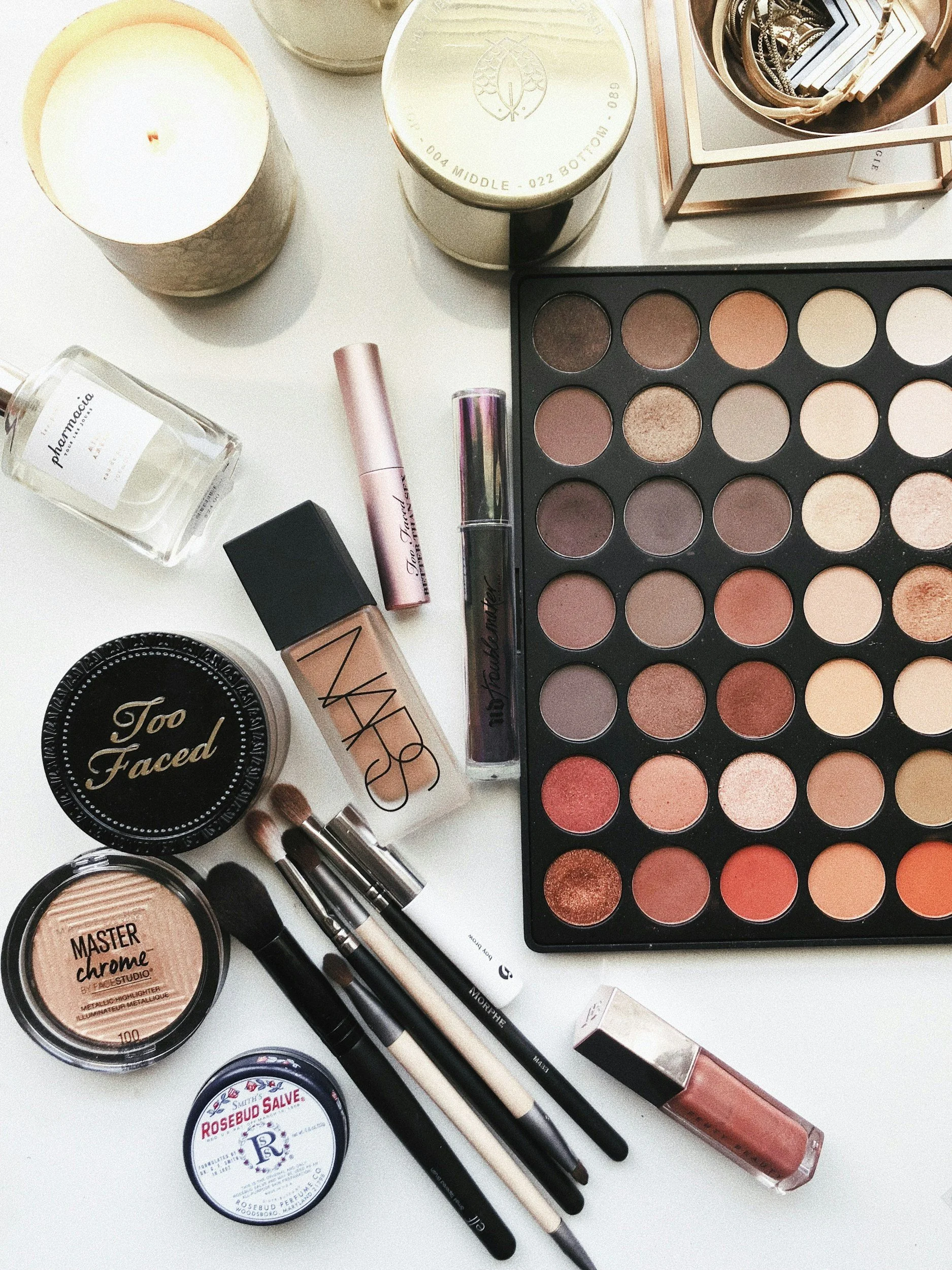
I recently tried the NARS Light Reflecting Foundation – Advanced Makeup-Skincare Hybrid Foundation ($45) in the shade AL4 Deauville, which I received through my IPSY subscription.
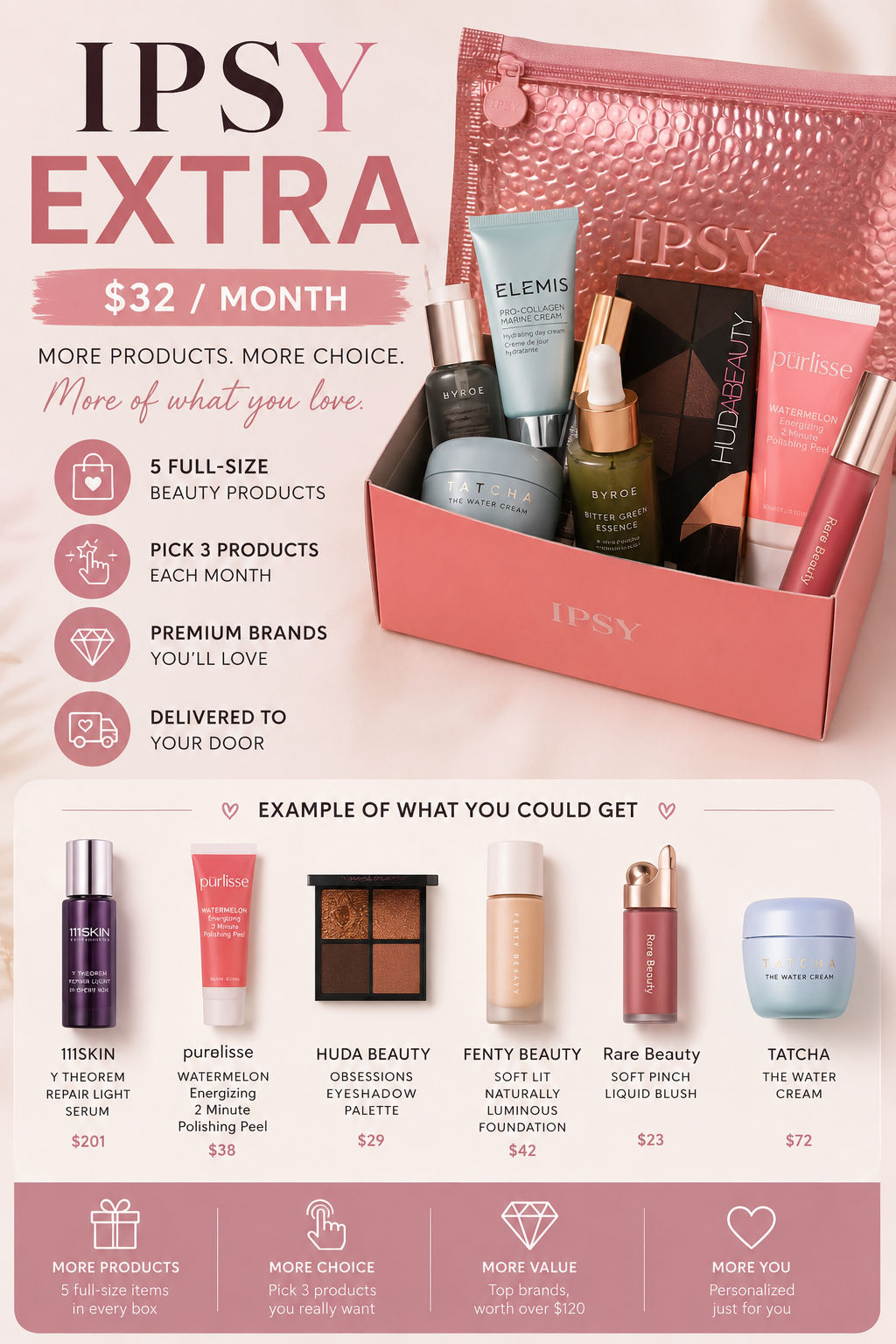
I actually got this foundation for a fraction of its retail price through IPSY, making it an incredible deal. If you're curious about how IPSY works and how much money you can save on premium beauty products, check out my guide, Is IPSY Worth It? I break down my experience and share how I've saved hundreds of dollars on high-end makeup and skincare.
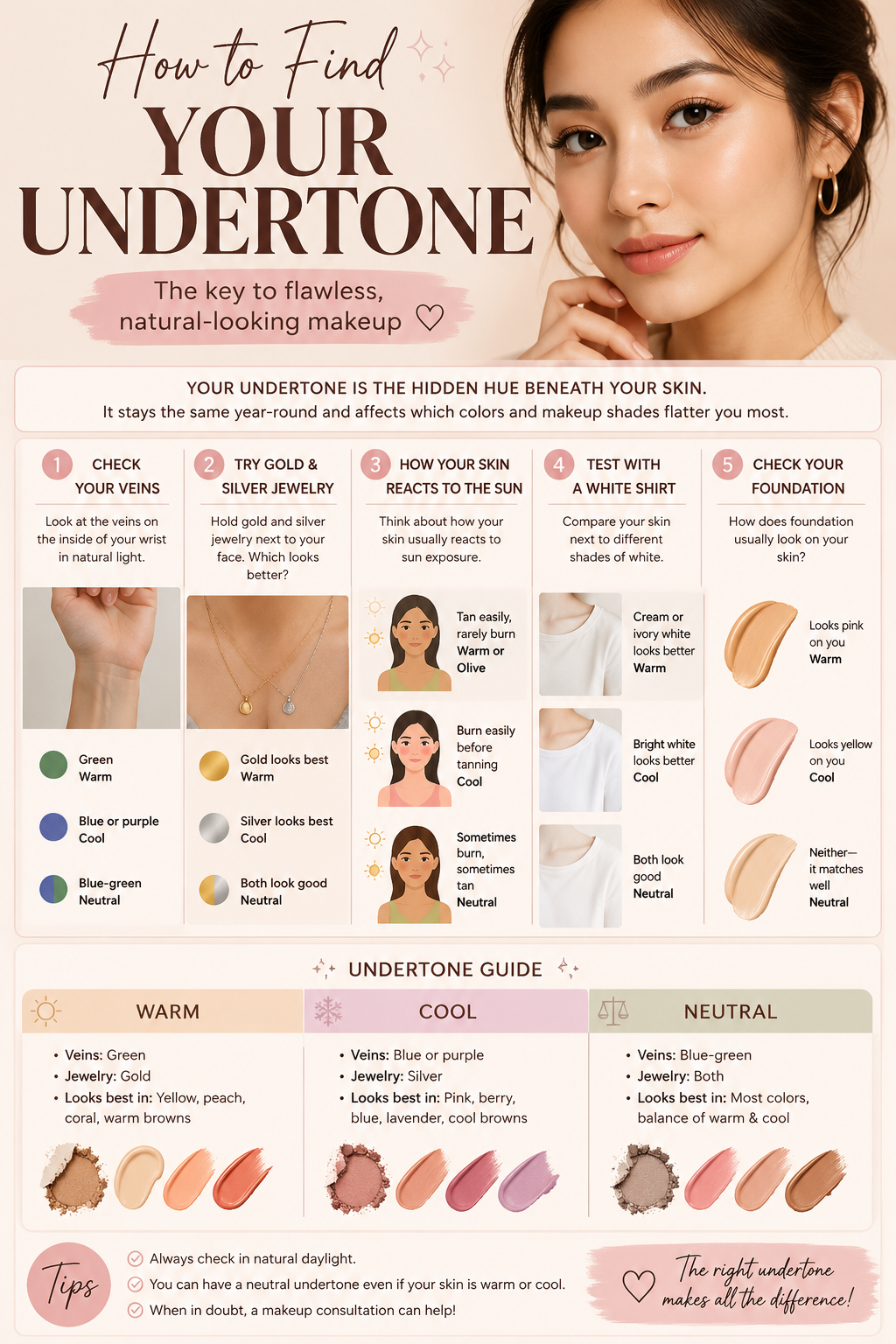
Warm undertones usually have yellow, golden, or olive tones. Cool undertones tend to have pink, red, or blue tones. Neutral undertones are a balance of both. If you're not sure what your undertone is, a beauty advisor can help determine it when you're getting shade matched.
A foundation that matches both your skin tone and undertone will blend much more naturally into your skin and look almost invisible once applied.
Coverage is another factor to consider. Some people prefer light coverage that lets their natural skin show through, while others want medium to full coverage to cover acne, redness, or discoloration.
If you have freckles or beauty marks that you want to show through, consider a sheer or light-coverage foundation. It can help even out your complexion while still letting your natural features shine.
If these products are outside your budget, be sure to check out my guide to 23 Luxury Makeup Dupes. It features affordable alternatives that deliver similar results without the luxury price tag, helping you build your makeup collection while saving money.
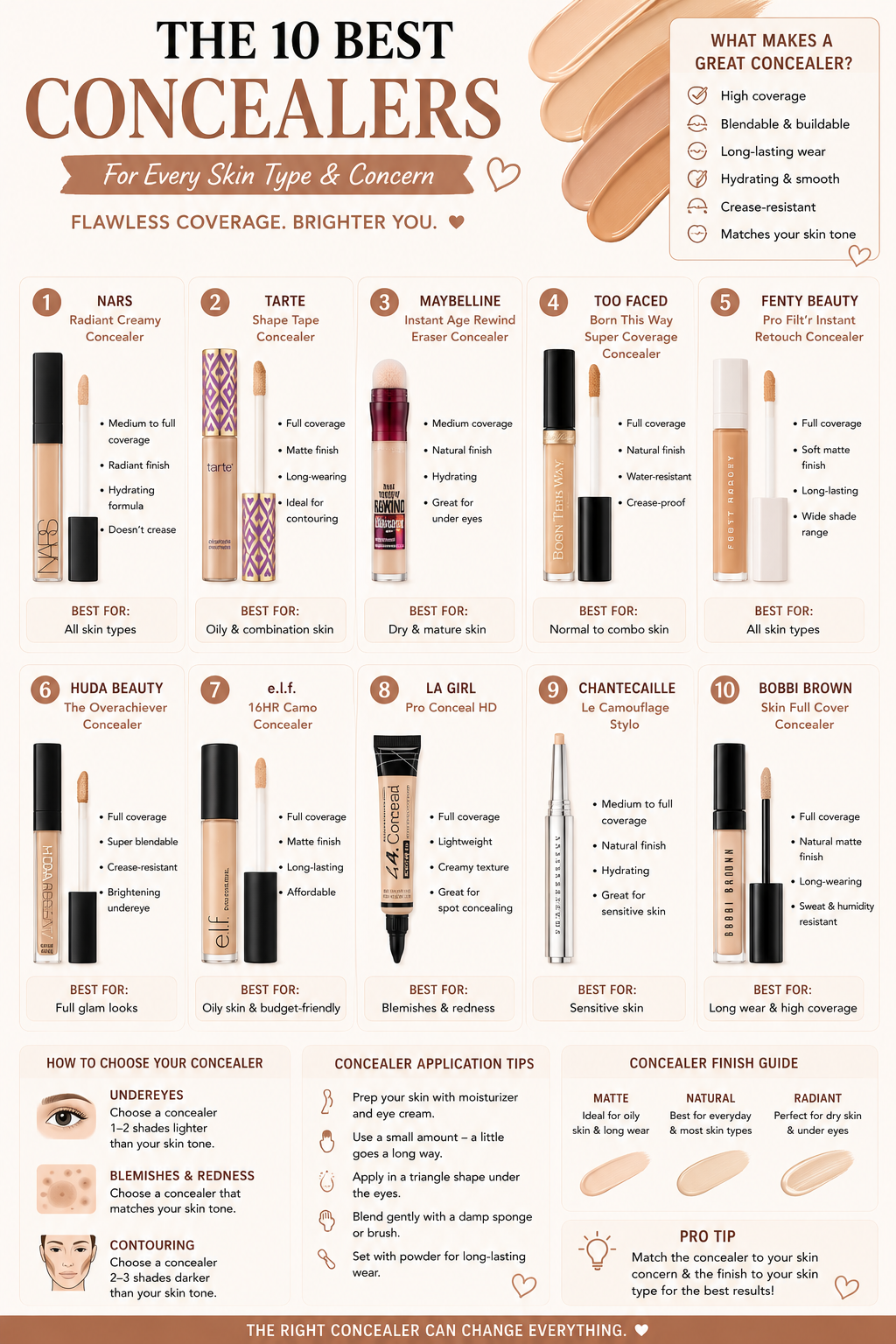
After foundation, you need to choose your concealer. The best concealer can hide your darkest secrets.
While foundation helps even out your overall skin tone, concealer is designed to target specific areas that need extra coverage. This includes dark circles under the eyes, blemishes, redness, acne scars, and any discoloration that foundation didn't completely cover.
Just like foundation, concealers come in different coverage levels. If you only need a little brightening under the eyes, a light to medium coverage concealer may be enough. If you're trying to cover acne or dark spots, you may prefer a fuller-coverage formula.
When choosing a concealer for under your eyes, many people go one or two shades lighter than their foundation to help brighten the area and make them look more awake. For covering blemishes and redness, it's usually best to choose a concealer that matches your foundation as closely as possible.
A good concealer should blend easily into the skin without looking cakey or settling into fine lines. Since the under-eye area is delicate, a hydrating formula often works best there.
Personally, I like using concealer to brighten my under-eye area and cover any redness around my face. It can make a huge difference with just a small amount of product.
I use the NARS Radiant Creamy Concealer $35 in shade Light 2.75 Cannelle. I also received this product in my Ipsy Ultimate bag.
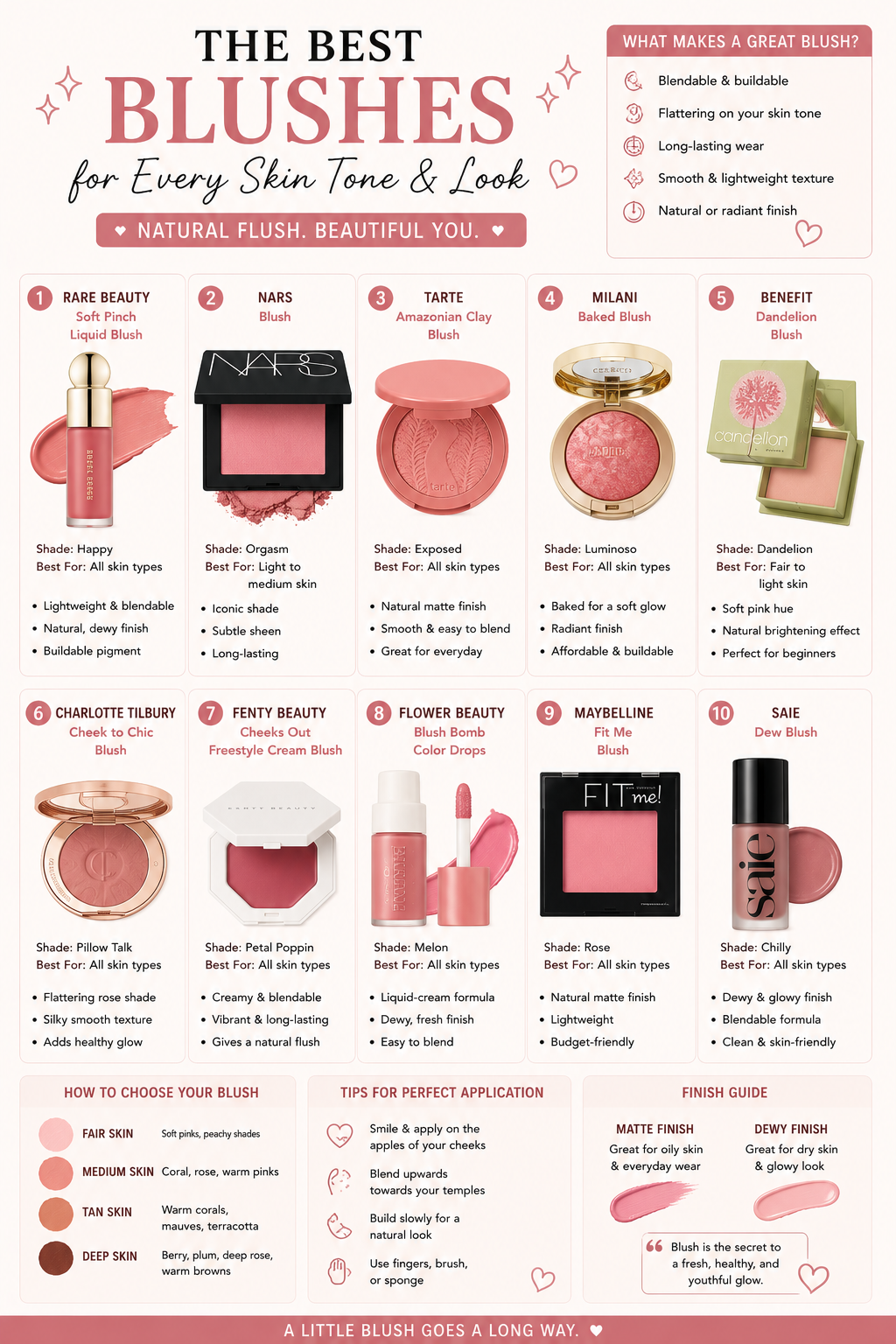
After you've figured out your concealer, you need to determine which blush is best for you.
Blush adds color back into the face and helps you look healthier, fresher, and more awake. It can make a big difference in your overall makeup look, even if you're wearing very little makeup. Some people with naturally good skin choose to wear only blush and mascara, and they still look polished and put-together.
The type of blush you choose depends on your skin type and the finish you're looking for. Powder blushes are popular for oily skin because they help control shine and tend to last longer throughout the day. Cream and liquid blushes can give a more natural, dewy finish that looks like a healthy flush coming from within the skin.
Color is important too. Soft pinks, peachy shades, and rosy tones are usually flattering on light beige skin. If you're unsure where to start, choose a natural-looking shade that resembles the color your cheeks turn when you blush naturally.
You should also consider your undertone when choosing a blush. Warm undertones often look beautiful with peach, coral, and warm pink shades, while cool undertones tend to suit rosy pinks and berry tones. Neutral undertones can usually wear a wide range of colors.
I can't recommend NARS Orgasm Blush enough. After trying it for myself, I finally understood why it's such a cult favorite. It adds a beautiful, natural-looking flush with just the right amount of shimmer, making it flattering on a wide range of skin tones and perfect for both everyday makeup and more glamorous looks.
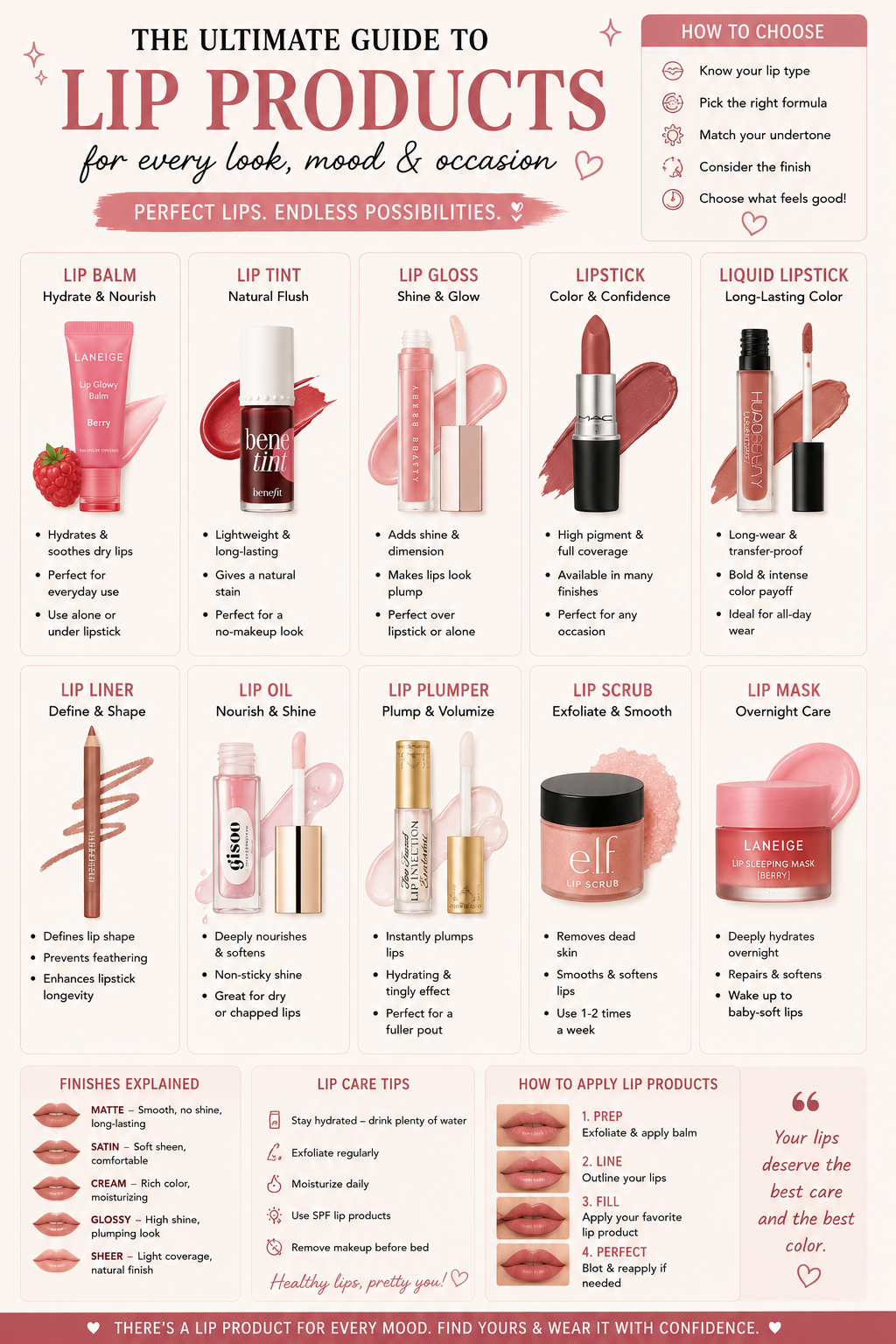
The most kissable lips don't come from just one product. They're usually created by combining several lip products that work together to keep your lips soft, smooth, hydrated, and beautiful.
It starts with a lip liner that either matches your natural lip color or complements the lipstick shade you plan to wear. Lip liner helps define the lips, create a cleaner shape, and prevent your lipstick from feathering throughout the day.
Next comes your lipstick or lip color. Whether you prefer a matte, satin, or glossy finish is entirely up to you. Nude shades are great for everyday wear, while pinks, mauves, reds, and berry shades can help create different looks depending on the occasion.
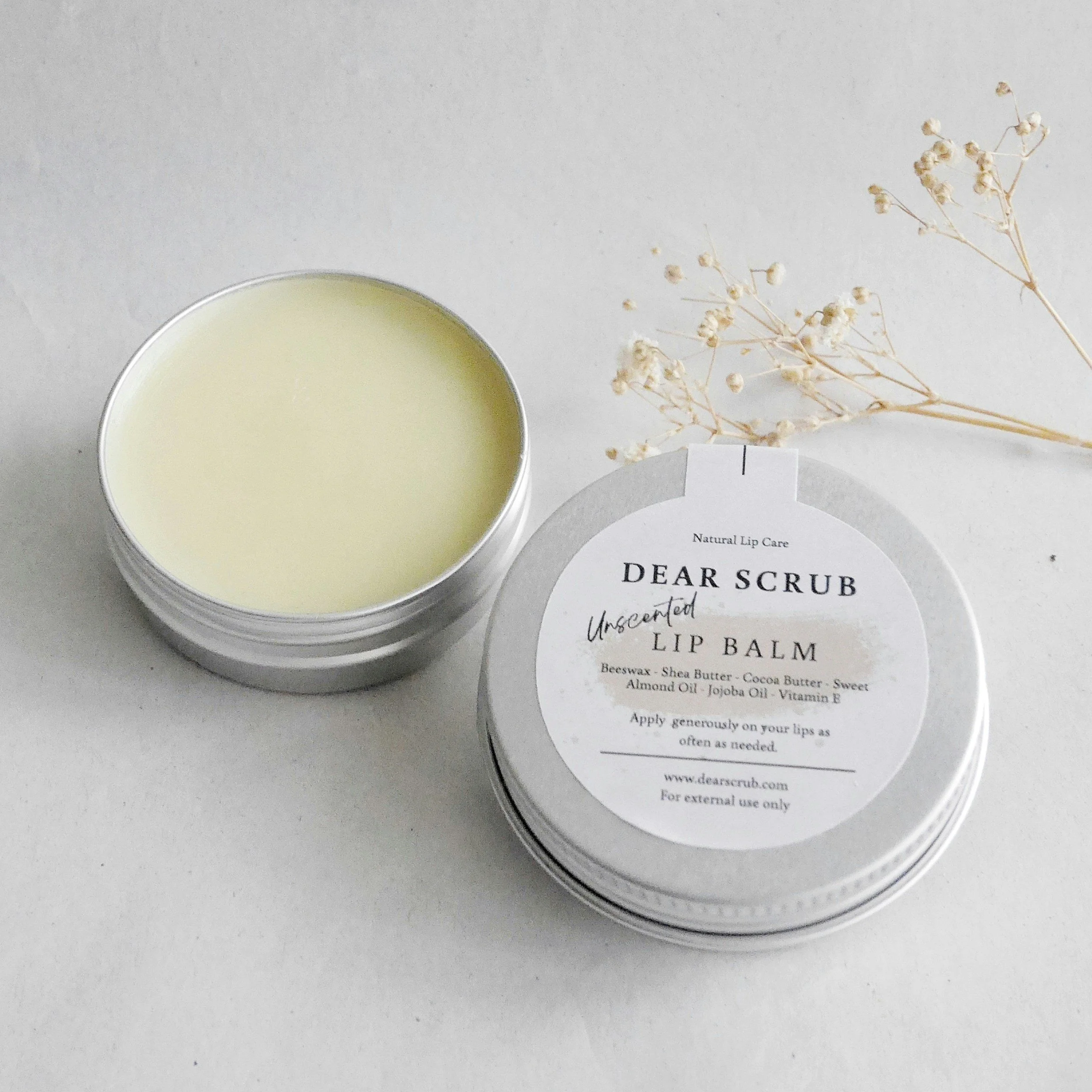
If your lips tend to get dry, don't forget lip care. A good lip balm can help keep your lips soft and prevent cracking or flaking. Smooth lips will always make any lipstick look better.
To finish the look, you can add a lip gloss for extra shine and dimension. A small amount applied to the center of the lips can make them appear fuller and more plump.
If you like it simple, you can also only wear lip balm that has a tint. The one I used is WishCare Tinted Lip Balm with SPF 50.
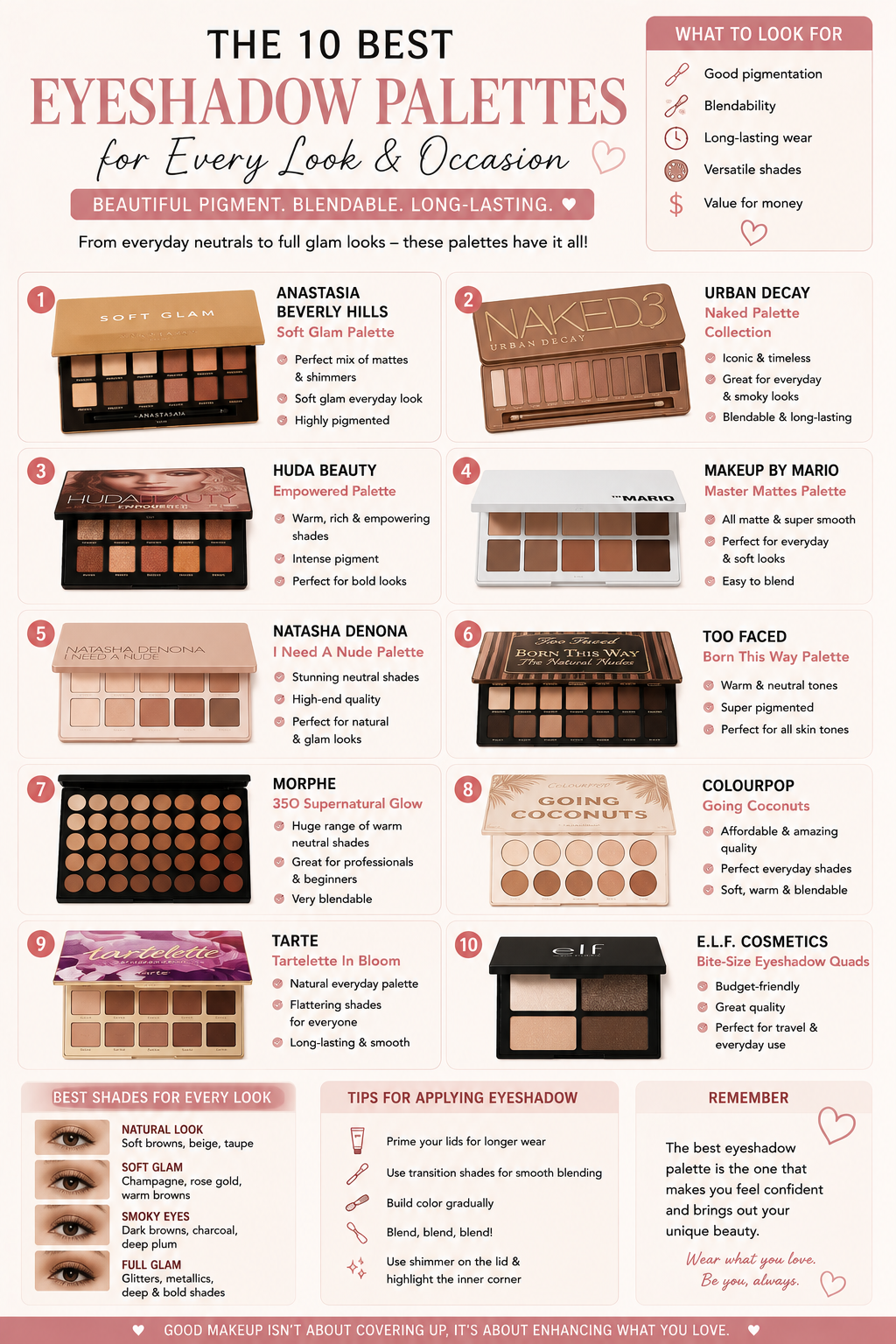
Something you can't miss on an essential makeup list is a good eyeshadow palette.
You don't want an eyeshadow that is flaky, chalky, or lacks pigmentation. A good eyeshadow palette should have rich color payoff, blend easily, and last throughout the day without fading away after a few hours. Especially if you have oily eyelids like I do. You need an eyeshadow primer.
Blendability is especially important because it helps create a seamless look. Even beginners can achieve beautiful eye makeup when the shadows blend smoothly together instead of looking patchy or harsh.
When choosing an eyeshadow palette, neutral shades are usually the most versatile. Browns, taupes, champagne shades, and soft pinks can be used for everyday makeup, work, school, or special occasions. Once you're comfortable with those colors, you can experiment with bolder shades and more creative looks.
Personally, I think every makeup collection should have at least one good neutral palette. It's one of the most versatile products you can own and can help create countless makeup looks, from soft and natural to full glam.
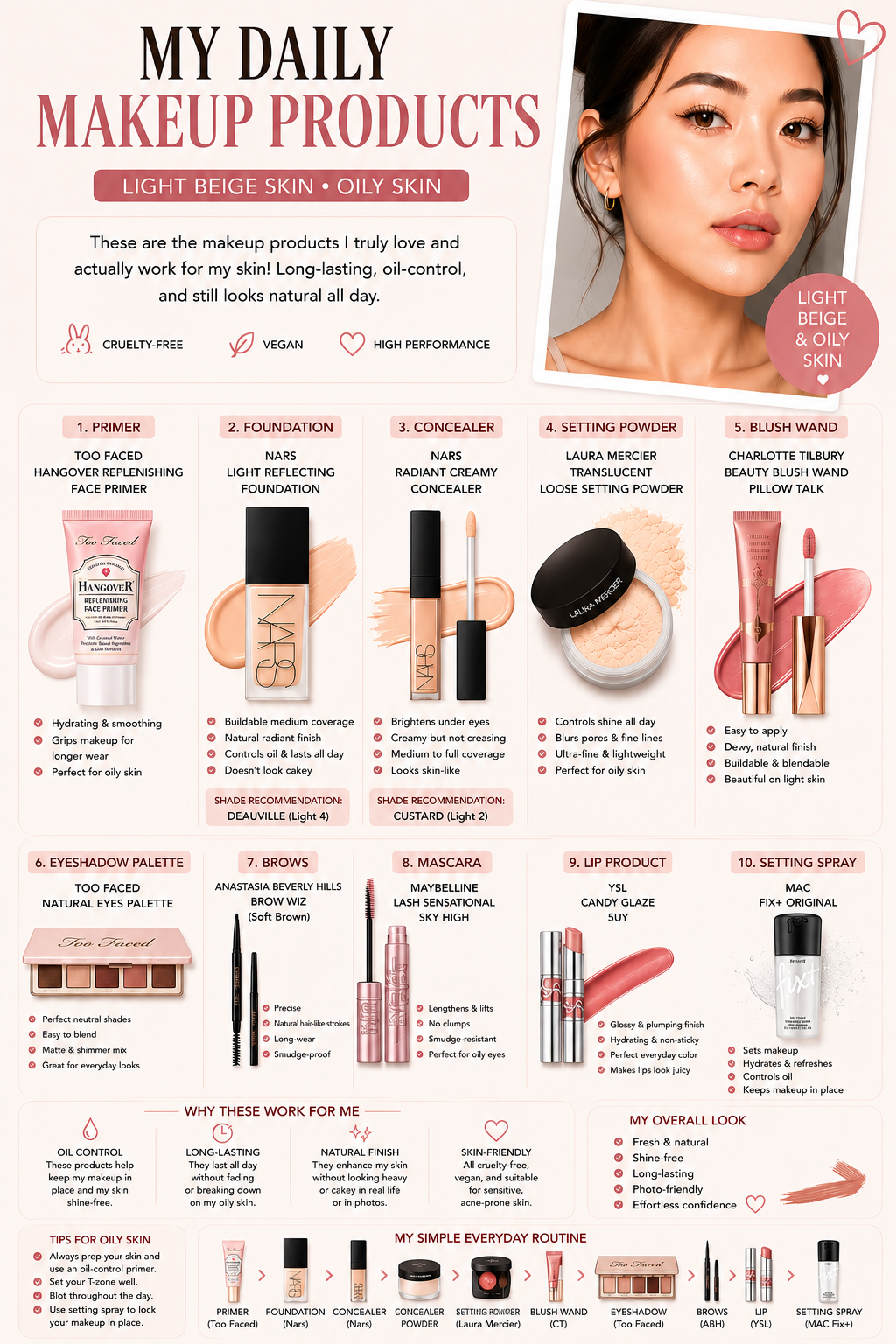
These are the products I consider my makeup essentials. They're the products I reach for most often and use for my everyday makeup routine.
Whether I'm going to work, running errands, meeting friends, or attending a special occasion, these are the products I trust to help me look polished and put-together.
You don't have to purchase every product on this list. Feel free to choose the items that fit your needs, budget, and makeup style. Some people may only need one recommendation from each category, while others may enjoy trying several options.
The goal isn't to own the most makeup—it's to find products that work well for you and help you create a makeup routine that makes you feel confident and beautiful.