Morning Skincare Routine For Acne-Prone Skin
I may earn a small commission from affiliate links at no extra cost to you. I only recommend products I genuinely use, love, and trust in my own routine.
Understanding Your Skin Type
In skincare, one of the first steps is learning your skin type. However, it’s important to understand that skin type and skin condition are not the same thing.
Your skin type is mostly genetic and stays fairly consistent over time. The main types are oily, dry, combination, and normal. Your skin condition, on the other hand, can change depending on stress, hormones, weather, and the products you use. For example, you can have oily but dehydrated skin, dry skin that still breaks out, or sensitive skin that reacts easily to products.
The “Bare-Faced Test”
A simple way to get a basic idea of your skin type is the “bare-faced test.” After cleansing your face (for example, after a shower), avoid applying any products and wait about 60 to 90 minutes. Then observe your skin.
If your skin feels tight, rough, or slightly flaky → likely dry skin
If your T-zone (forehead, nose, chin) becomes oily but cheeks stay normal or dry → likely combination skin
If your entire face becomes shiny → likely oily skin
However, this is only a starting point. A better understanding comes from observing your skin throughout the day, how often you break out, and how your skin reacts to products.
Morning Skincare for Acne-Prone Skin
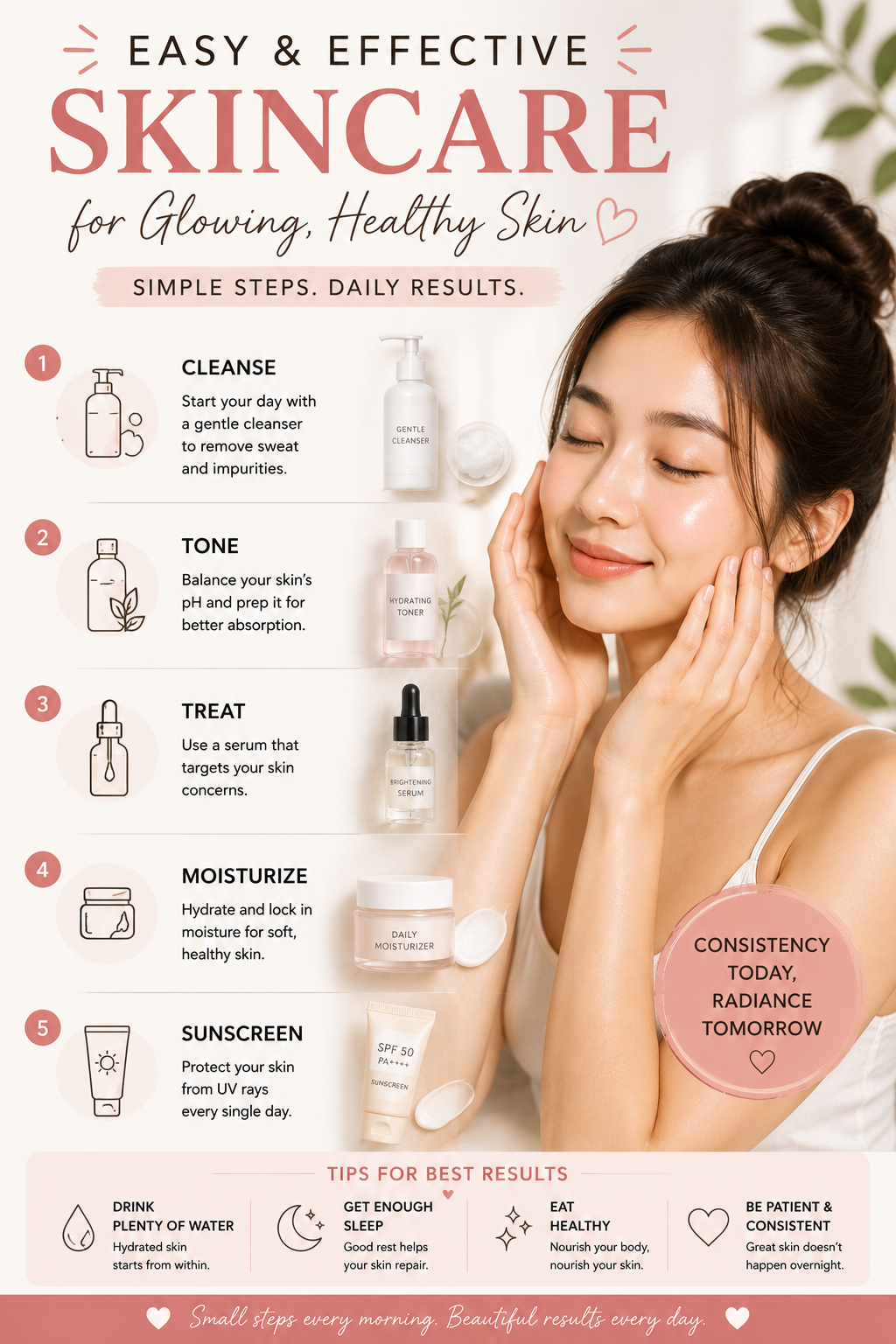
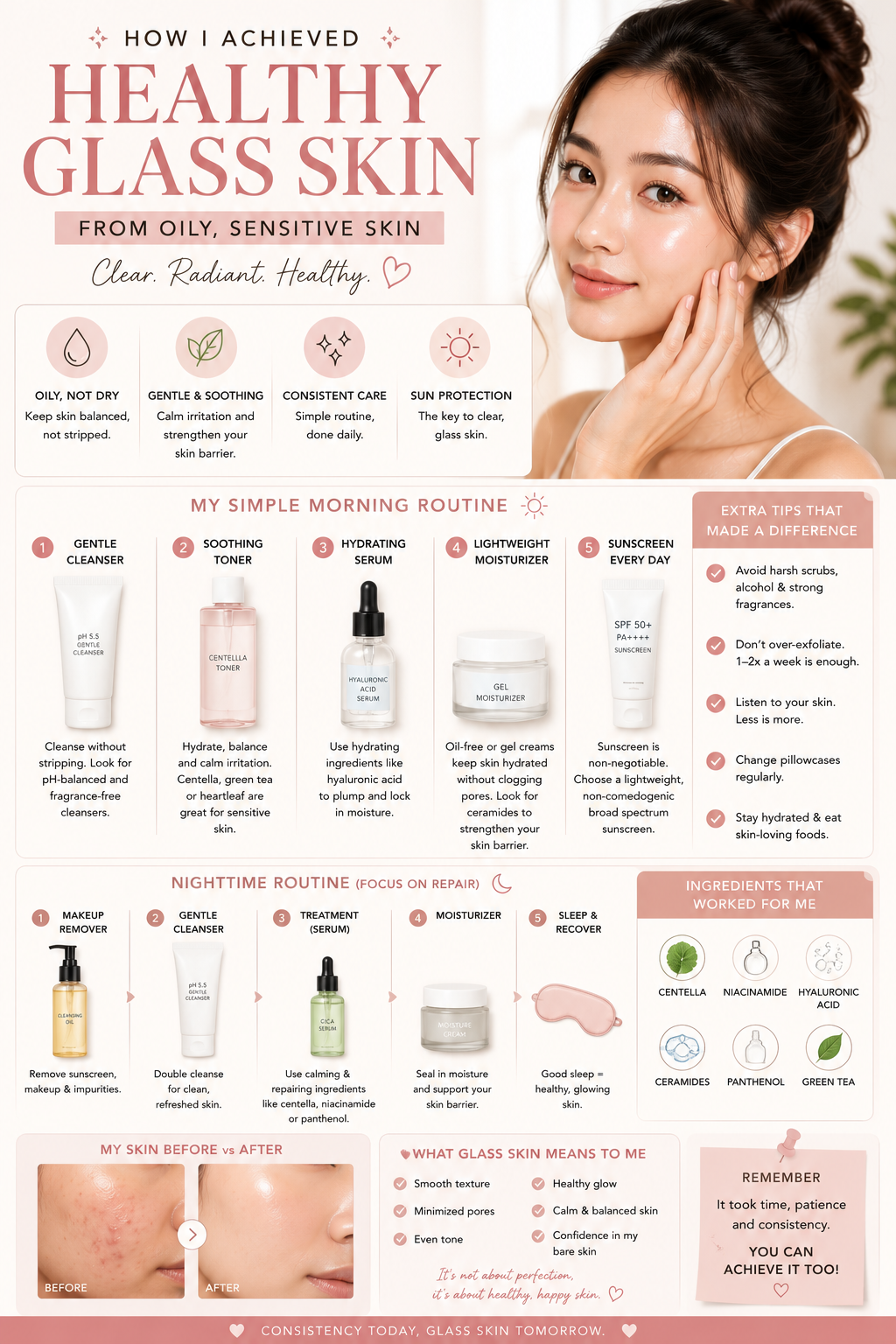
A good morning skincare routine for acne-prone skin is about keeping things simple, controlling oil and bacteria, and protecting your skin barrier—not stripping it with too many products. You only need a few well-chosen steps.
Step 1: Gentle Cleanser
I use the Kiehl's Ultra Facial Cleanser, which is very gentle and suitable for most skin types, especially slightly oily and acne-prone skin. It removes dirt, oil, and light makeup while helping protect the skin barrier.
However, it doesn’t fully remove heavier makeup on its own, so I usually start with an oil-based cleanser like the e.l.f.cleansing balm. After that, the cleanser works perfectly as a second step.
Step 2: Lightweight Treatment
Next, I use a lightweight treatment. This can include salicylic acid to unclog pores or niacinamide to help reduce oil and calm inflammation.
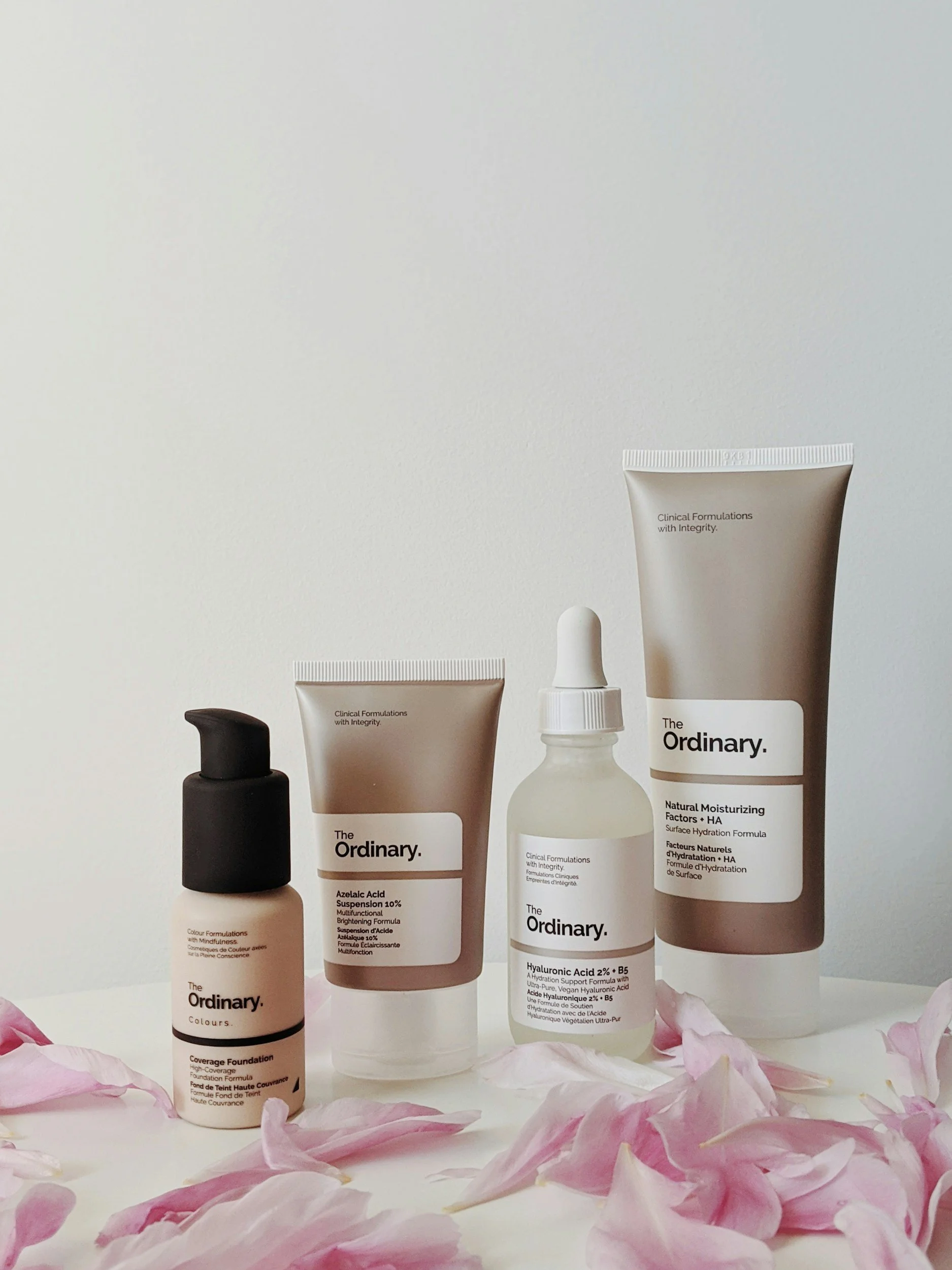
I prefer not to use too many strong actives at once—one is usually enough. I currently use The Ordinary Niacinamide 10% + Zinc 1%, which helps reduce oil, acne, and redness while improving skin texture. Over time, it also helps the skin look smoother and more balanced.
Step 3: Sunscreen (The Most Important Step)
Sunscreen is the most essential part of any skincare routine. Even if you’re young, it’s never too early to protect your skin from sun damage. UV exposure can lead to dark spots, uneven skin tone, and premature aging.
I use the Josie Maran Argan Daily Moisturizer SPF 30, also known as a “defense lotion.” It combines moisturizer and sunscreen in one product, making the routine simpler.
Step 4: Extra Hydration (Optional)
Since my sunscreen already includes hydration, I don’t technically need another moisturizer. However, I still like to use one.
I use Elizabeth Arden emulsion, a thin, milky moisturizer that hydrates the skin without feeling heavy or greasy. It helps keep my skin balanced and comfortable throughout the day.
Acne-prone skin doesn’t need an overwhelming routine. In fact, the best results usually come from keeping things simple and consistent. Focus on a gentle cleanser, one effective treatment, hydration, and daily sunscreen.