Night Skincare Routine for Clear Skin
Why a Night Skincare Routine Matters
During the day, your skin is exposed to sunscreen, makeup, sweat, pollution, and excess oil. A nighttime skincare routine helps remove those impurities while giving your skin the opportunity to recover overnight. It's also the best time to use active ingredients like retinol, exfoliating acids, or acne treatments because your skin isn't exposed to sunlight.
A nighttime skincare routine isn't just good for your skin—it can also be a great way to unwind after a long day. Whether you've been at work, school, or running errands, taking a few minutes to care for your skin can help you relax before bed.
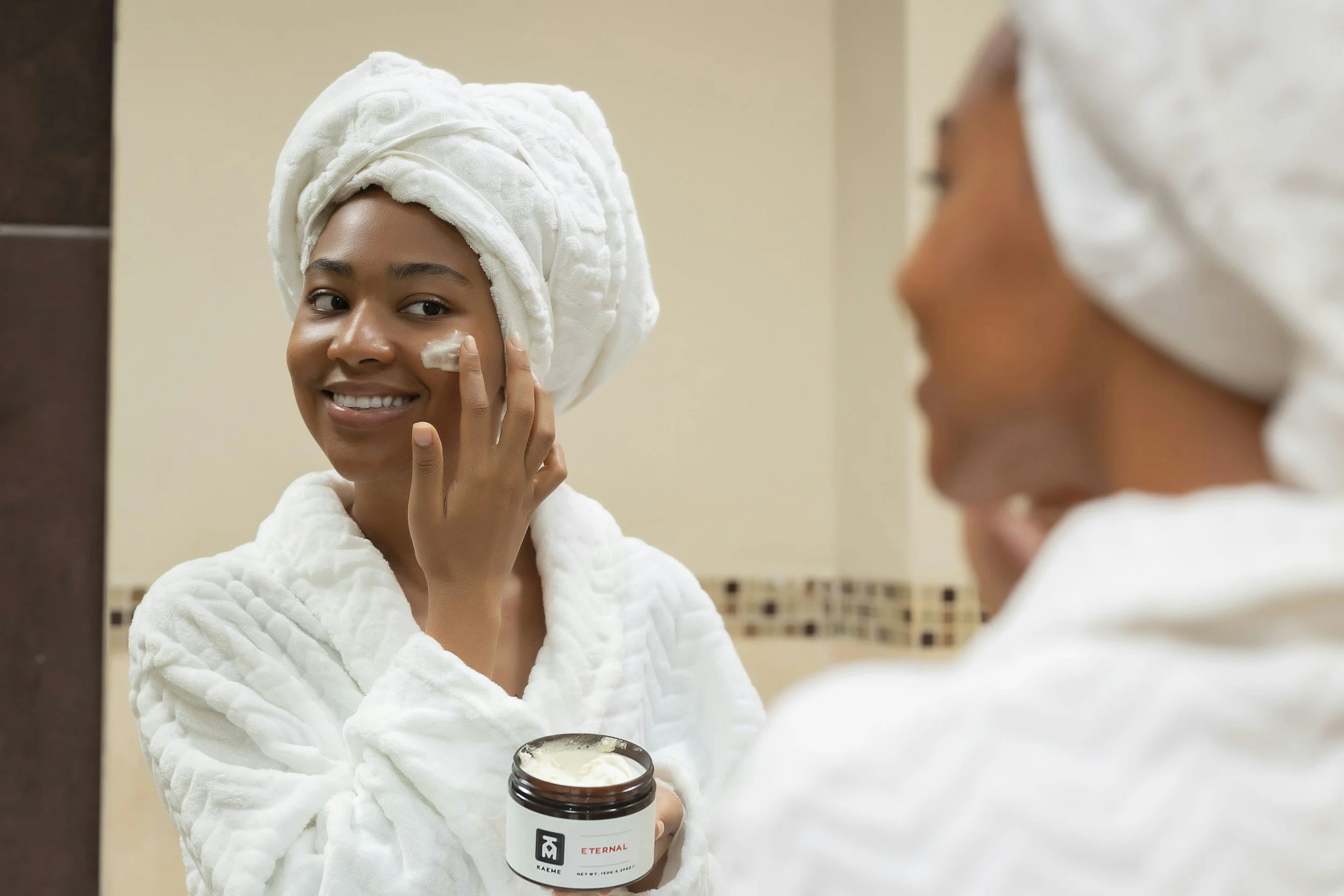
Light a candle, put on your favorite bathrobe, play some calming music, and enjoy your skincare routine as a form of self-care. Turning it into a nightly ritual can make it something you look forward to while helping you maintain healthier, clearer skin over time.
If you're looking for a daytime routine as well, be sure to check out my guide on Morning Skincare Routine for Acne-Prone Skin, where I share the products and steps I use to start my day.
Step 1: Remove Makeup
If you wear makeup or sunscreen, start with a makeup remover, cleansing balm, or micellar water to break everything down before cleansing. This helps remove long-wearing products more effectively and prepares your skin for the next step.
I personally use the e.l.f. Holy Hydration! Makeup Melting Cleansing Balm to remove my makeup. It's affordable, works really well, and has become one of my favorite first cleansers. It melts away foundation, sunscreen, and waterproof makeup without leaving my skin feeling dry or tight. It's also a popular choice with many positive reviews, making it a great option if you're looking for a budget-friendly cleansing balm.
Step 2: Cleanse Your Face
Wash away oil, dirt, sweat, and leftover makeup with a gentle cleanser.
Step 3: Exfoliate (2–3 Times Per Week)
Chemical exfoliants such as AHAs or BHAs help remove dead skin cells and unclog pores. Avoid exfoliating every night, as overdoing it can irritate your skin.
Step 4: Apply Acne Treatment or Retinol
If you're treating acne, apply your acne medication after cleansing. If you're using retinol, apply it at night because sunlight can reduce its effectiveness and increase skin sensitivity.
Step 5: Apply Serum
Choose a serum based on your skin concerns:
Hyaluronic acid for hydration
Niacinamide for oil control
Vitamin C (usually used in the morning)
Peptides for skin support
At night, I use a skincare product that combines retinol and hyaluronic acid. Retinol helps improve skin texture, reduce the appearance of fine lines, and promote skin cell turnover, while hyaluronic acid helps keep my skin hydrated.
Anti-Aging Face Moisturizer with Retinol ($23.97)
Since adding it to my nighttime routine, I've noticed that my skin looks more hydrated, smoother, and more youthful. Combining a hydrating ingredient with retinol also helps make my skin feel more comfortable, as retinol can sometimes be drying for some people.
Step 6: Moisturize
A moisturizer helps lock in hydration and supports your skin barrier while you sleep. Even if you have oily skin, moisturizing is an important step because your skin still needs hydration.
I currently use the Glow Recipe Watermelon Glow Pink Juice Oil-Free Moisturizer, which I purchased at a discount through the IPSY Shop. It has a lightweight, gel-like texture that feels refreshing on my skin without feeling greasy. I've found that it layers well over my nighttime skincare products and leaves my skin feeling soft and hydrated by morning.
Step 7: Lip Balm
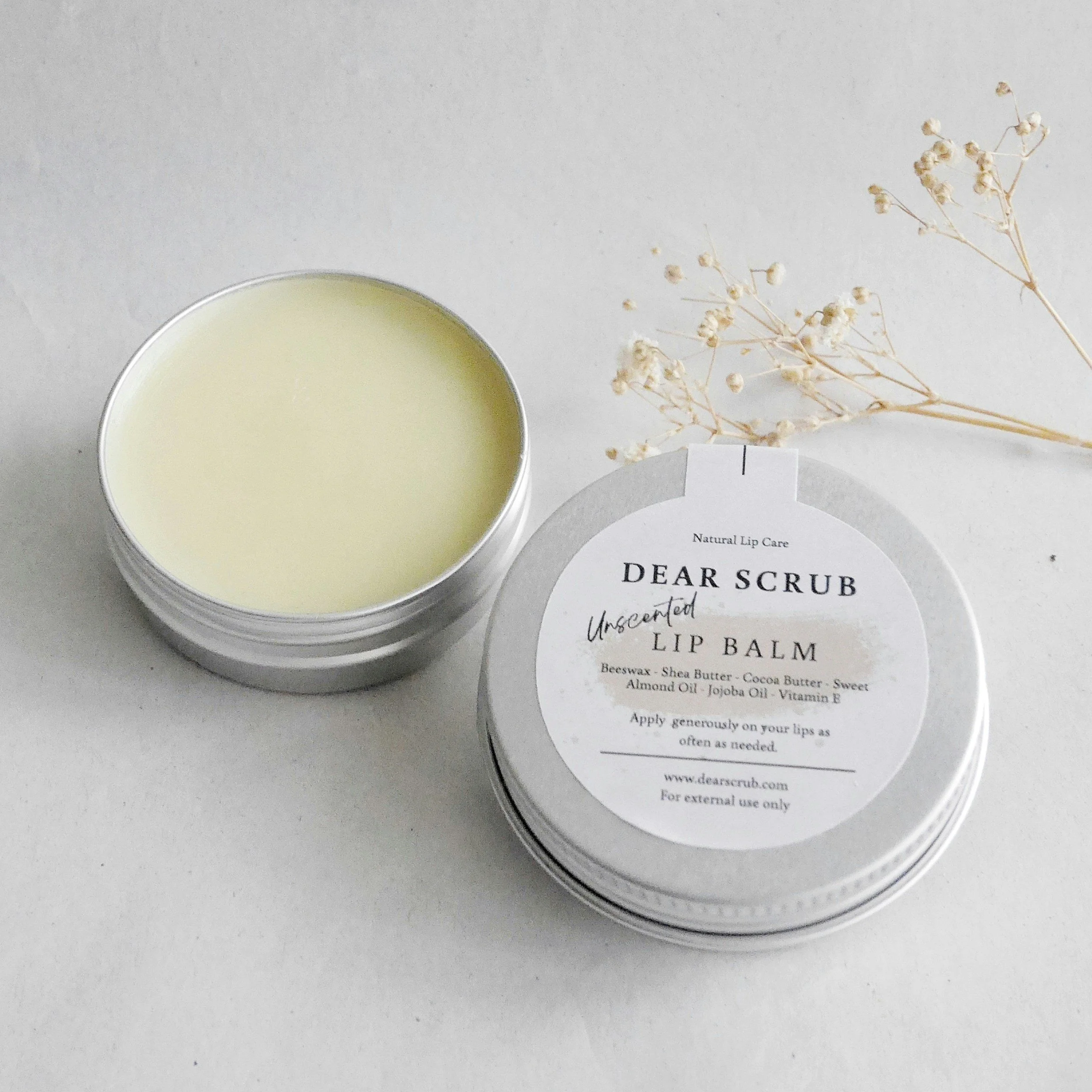
Keep your lips hydrated overnight by applying a lip mask or your favorite lip balm before bed. Overnight is the perfect time to restore moisture, especially if your lips tend to become dry or chapped. I always keep a lip balm next to my light switch, so it's the last thing I apply before turning off the lights. That way, I never forget this final step in my nighttime skincare routine.
Optional Weekly Treatments
Clay mask
Hydrating mask
Pimple patches
Eye cream
Common Night Skincare Mistakes
Sleeping with makeup on
Over-exfoliating
Skipping moisturizer because you have oily skin
Using too many active ingredients at once
Forgetting to wash pillowcases regularly
FAQs
What is the correct order of a night skincare routine?
A typical nighttime routine is:
Makeup remover
Cleanser
Exfoliant (2–3 times per week)
Treatment (retinol or acne medication)
Serum
Moisturizer
Lip balm
Is a night skincare routine really necessary?
Yes. Cleansing your skin and applying moisturizing or treatment products before bed helps remove impurities from the day and supports your skin's natural overnight repair process.
Can I skip moisturizer if I have oily skin?
No. Oily skin still needs hydration. Using a lightweight, oil-free moisturizer can help maintain your skin barrier without feeling heavy.
How often should I exfoliate?
Most people only need to exfoliate two or three times a week. Exfoliating too often can damage your skin barrier and cause irritation.
Can I use lactic acid and retinol together?
Here are a few ways to use them safely:
Option 1: Alternate Nights (Best for Most People)
Monday: Lactic acid
Tuesday: Retinol
Wednesday: Rest or hydration
Thursday: Lactic acid
Friday: Retinol
Saturday: Rest or hydration
Sunday: Choose one based on how your skin feels
This is often the easiest approach and reduces the chance of irritation.
Option 2: Use Them on the Same Night (For Experienced Users)
If your skin already tolerates both products well, you may be able to use them in the same routine.
A typical order is:
Cleanser
Lactic acid
Allow it to absorb for a few minutes (optional)
Retinol
Moisturizer
If you notice redness, burning, or excessive peeling, switch back to alternating nights.
Don't Forget Sunscreen the Next Morning
Both lactic acid and retinol can make your skin more sensitive to the sun, so wearing a broad-spectrum sunscreen every morning is important.
Who Should Avoid Using Them Together?
If you're new to either ingredient, have very sensitive skin, or have a compromised skin barrier, it's usually better to start with one active ingredient at a time and gradually build tolerance before combining them.
Final Thoughts
A consistent nighttime skincare routine doesn't have to be complicated. By cleansing your skin, using treatment products appropriately, and finishing with a good moisturizer, you can support your skin's natural overnight repair process.